The Kenya Union of Post Primary Education Teachers (KUPPET) and the Kenya National Union of Teachers (KNUT) presented opposing proposals on how Junior Schools should be organised in West Pokot County.
KUPPET called for Junior Schools to be located within primary school compounds but to operate autonomously, with leadership provided by teachers qualified to teach at the post‑primary level.
KUPPET Executive Secretary Alfred Kamuto argued that managers of Junior Schools should hold a degree with a secondary education option, rather than only a P1 certificate, diploma in primary education or ECDE qualification, to effectively supervise and mentor post‑primary teachers.
KNUT opposed the autonomy proposal, supporting the Presidential Working Party on Education Reform’s recommendation that Junior Schools remain within comprehensive school structures.
KNUT Executive Secretary Dorcus Lotimen warned that separating Junior Schools from primary schools could disrupt learners’ smooth transition between levels and limit knowledge sharing among teachers.
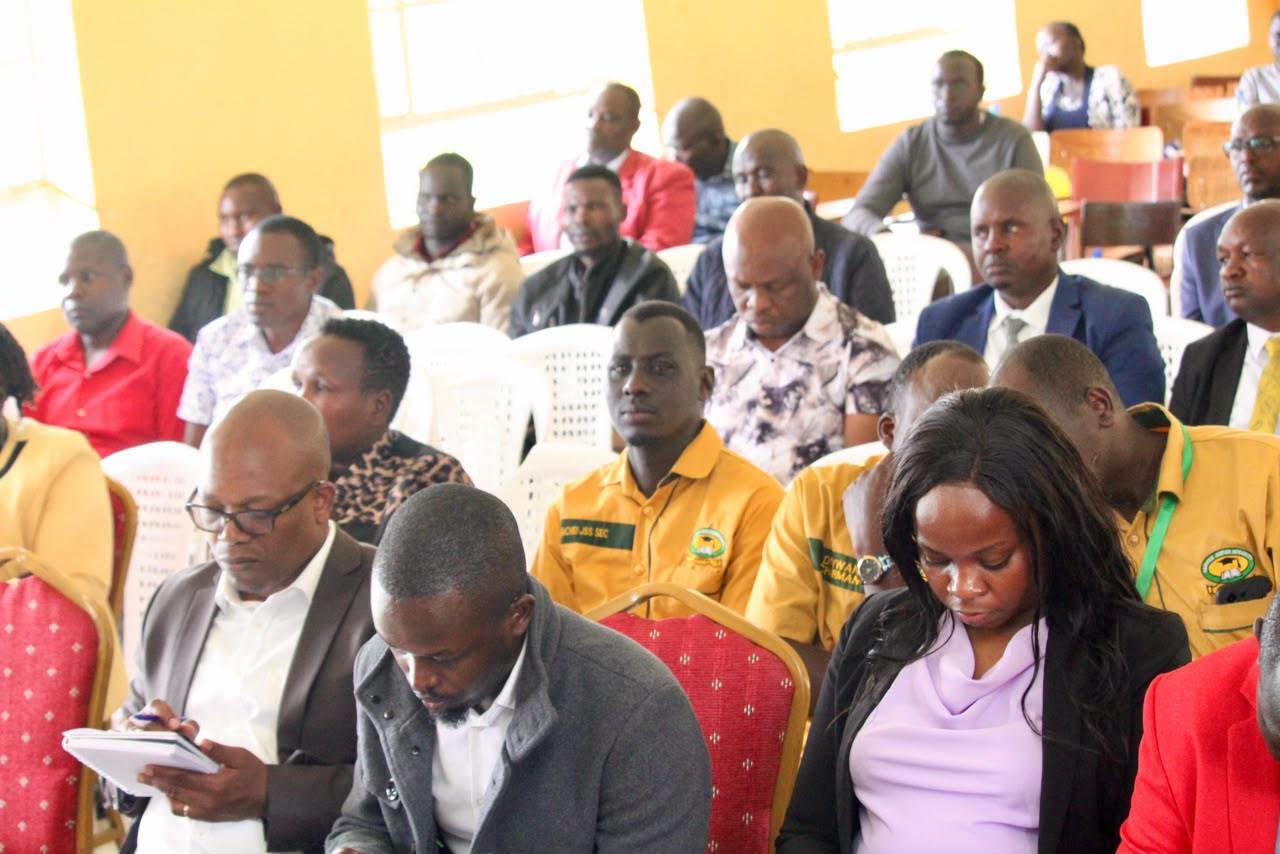
The debate took place during a public participation exercise convened by the National Assembly Departmental Committee on Education, which is reviewing six education Bills, including the Basic Education (Amendment) Bill, 2026.
Other participants, such as Baringo North MP Joseph Makilap, urged stakeholders to submit concrete amendment proposals, noting that the legislation will affect the entire education pipeline from pre‑primary to university.




Comments