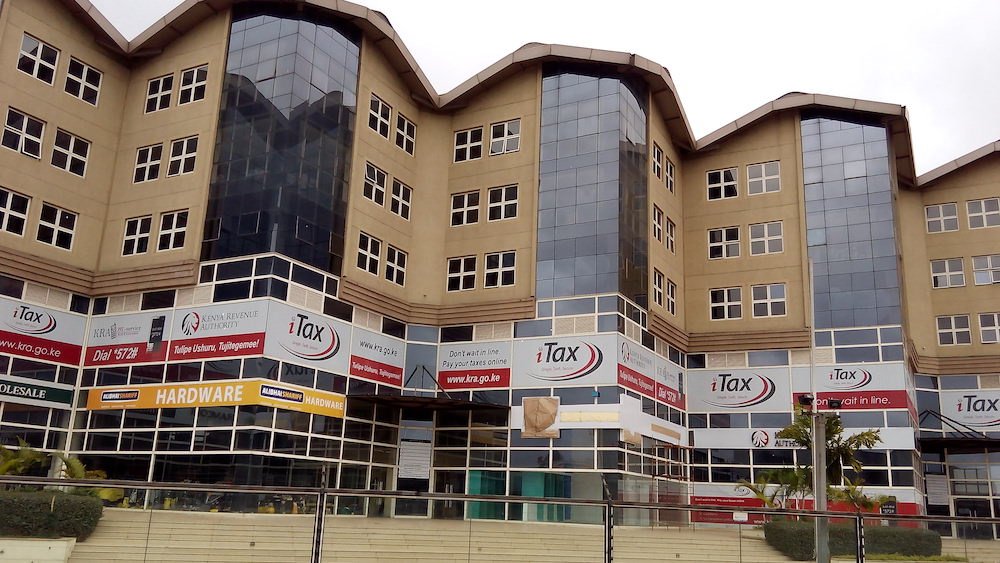
The Kenya Revenue Authority has begun preliminary discussions with Safaricom about a scheme that would generate electronic tax invoices for merchants receiving payments through M‑Pay tills, paybills and other merchant channels.
Under the proposal, Safaricom would issue the invoices on behalf of traders and forward them to KRA’s electronic Tax Invoice Management System (eTIMS) at the close of each business day.
A KRA official told the National Assembly Committee on Finance and National Planning that Safaricom intends to perform “reverse invoicing” for merchants, a model already used by supermarkets to transmit invoices to KRA after daily sales.
The reverse‑invoicing approach would help small traders, many of whom lack the technology or expertise to produce electronic invoices, meet legal requirements and continue supplying larger firms.
Electronic invoices serve as proof of sales, enabling buyers to claim allowable business expenses under Kenyan tax law.
M‑Pay supports about 3.1 million merchants, a 71.4 percent increase from the previous year, with 2.1 million using the Pochi la Biashara platform and roughly one million receiving payments via tills and paybills.
Most of these merchants have annual sales below Sh5 million, placing them outside the main income‑tax and compulsory VAT thresholds, yet they may still need to issue electronic invoices when dealing with larger buyers.
KRA says the automated invoicing system could broaden the tax base, improve verification of reported sales and expenses, and help curb tax evasion in the informal sector.




Comments