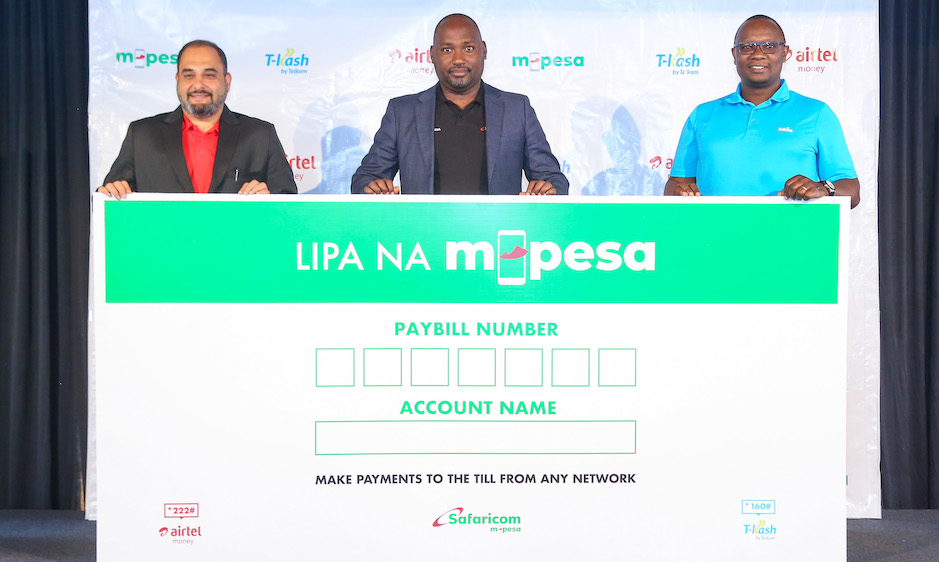
A Kenya Revenue Authority official told the Finance and National Planning Committee that Safaricom has proposed a reverse‑invoicing system that would create electronic tax invoices on behalf of merchants receiving payments through M‑Pesa.
Under the plan, Safaricom would generate eTIMS invoices for transactions made via M‑Pesa tills and paybills and transmit the records to KRA, possibly on a daily‑end basis, mirroring a process already used with supermarkets.
The reverse‑invoicing model aims to help small suppliers who lack the capacity to produce compliant electronic invoices, while giving KRA a clearer trail of commercial activity.
KRA says it will also use merchant till numbers and Pochi la Biashara account data to spot undeclared income and address the VAT gap among micro‑ and small‑business taxpayers.
The authority highlighted that domestic VAT collections fell short of targets in the July‑September 2026 period, underscoring the need for stronger compliance tools.
Safaricom’s merchant ecosystem, with about 3.1 million merchants—including roughly 2.1 million Pochi la Biashara users and one million Lipa na M‑Pesa tills—processed KSh41.68 trillion in transactions in FY2026, providing a substantial data source for the proposed system.
KRA has previously piloted reverse invoicing with tea farmers, sugar factories and other supply‑chain sectors, indicating that the M‑Pesa initiative extends an existing compliance strategy.




Comments