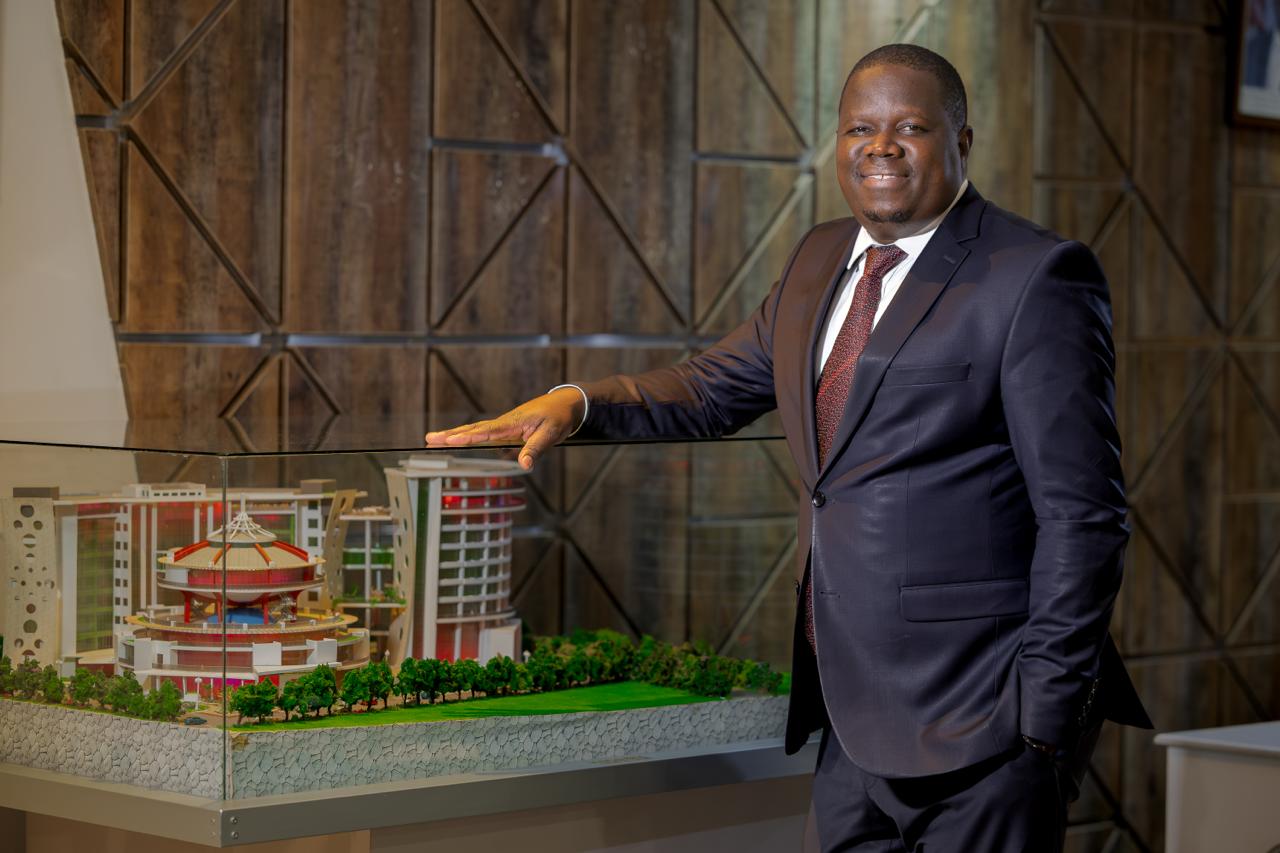
Konza Technopolis, located along the Nairobi‑Mombasa corridor, is being built as a technology and industrial hub that brings together universities, manufacturing, research and digital services within a smart‑city framework.
The site already hosts furnished apartments, three universities, research organisations and industrial facilities, according to the chief manager for business development and innovation at Konza.
Infrastructure includes more than 40 km of roads, water‑treatment and reclamation plants, and an automated solid‑waste collection system that moves refuse through underground pneumatic pipes to a central facility.
Sensors and a supervisory control system identify full bins, and waste is sorted into organic, plastic, paper and mixed categories before collection.
Smart poles across the development combine street lighting with CCTV cameras, Wi‑Fi routers and emergency call buttons, while electricity, internet and water utilities run underground and are monitored from a central Intelligence Command Centre.
The Technopolis Development Authority is leasing land to investors for vertical projects, including commercial premises, to streamline utility connections for new businesses.
One industrial tenant, Chinese textile maker Lucky DJX, has started production and employs roughly 5,000 people from surrounding communities.
The Jitume programme, run by Konza, has established more than 330 digital hubs nationwide, offering Kenyans access to training and digital‑work opportunities.
Through the Silicon Savannah Women programme, partnered with EdSource and Microsoft, Konza aims to train 10,000 women in artificial intelligence, targeting women in STEM fields.
Additional initiatives include a drone corridor for commercial and research use, such as wildlife monitoring, and the Timbuktoo innovation hub that brings together creators to solve societal challenges.
Officials stress that a functional 24‑hour economy will depend on businesses establishing operations, jobs expanding and residents choosing to live and work in Konza, urging Kenyan entrepreneurs to invest locally rather than ceding opportunities to foreign firms.




Comments