Kenya continues to cement its reputation as a leading global tourist hub, attracting thousands of international and domestic visitors throughout the year.
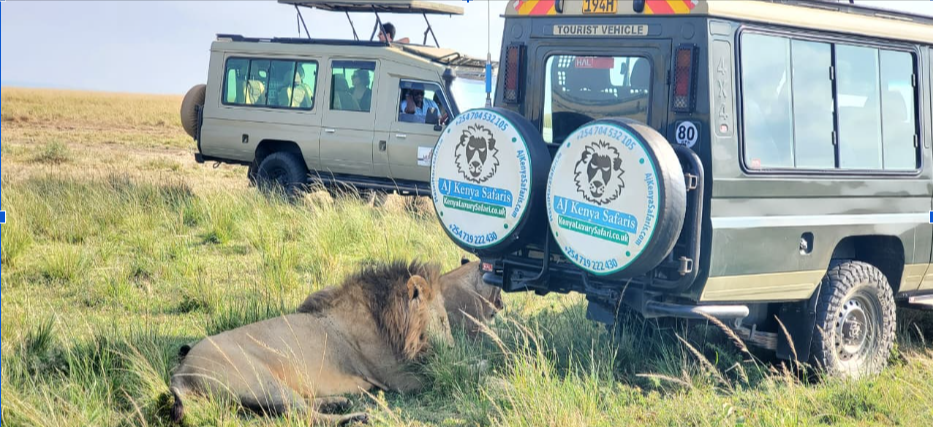
The Masai Mara National Reserve remains the flagship safari spot, famed for the annual wildebeest migration and reliable sightings of the Big Five species.
Samburu National Reserve is gaining popularity among travelers seeking off‑the‑beaten‑path experiences, highlighted by its “Samburu Special Five” wildlife lineup.
Beyond the Mara and Samburu, parks such as Amboseli, Tsavo East and West, Lake Nakuru and the Laikipia plateau offer diverse landscapes and flagship species, helping disperse visitor pressure during peak seasons.
Domestic tourists now form a growing share of park entries, encouraged by resident rates, better road access and a wider range of mid‑priced lodges.
Industry players say the rise in local travel cushions the sector against fluctuations in international arrivals and fosters a home‑grown appreciation of wildlife heritage.
The Tourism Fund has recently reaffirmed its commitment to financing sustainable tourism, focusing on infrastructure upgrades and skills development across the sector.
Conservationists warn that vehicle congestion during migration, human‑wildlife conflict and prolonged drought pose ongoing challenges that require coordinated management.
Improved airstrips and road networks are making the premier safari destinations more accessible as the high season approaches, reinforcing Kenya’s status as a top wildlife tourism market.




Comments