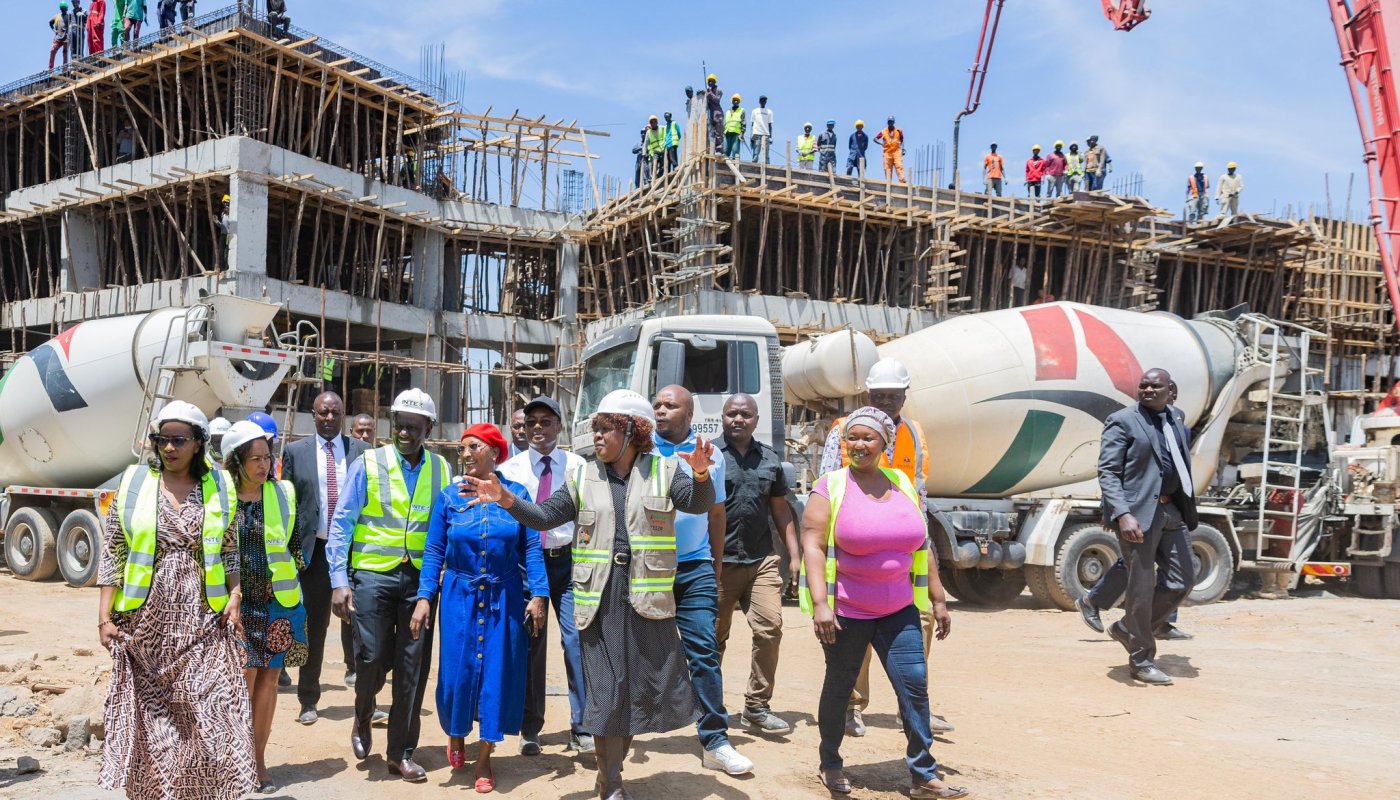
President William Ruto has warned that eliminating the 1.5% Housing Levy under a future administration would freeze housing projects and cost millions of jobs, a claim described by observers as scaremongering.
Public and affordable housing in Kenya predates the levy, with the National Housing Corporation (NHC) founded in 1953 as the Central Housing Board to deliver residential schemes across the country.
Over the past seven decades the NHC has built landmark estates such as Buru Buru, Komarock, Kibera Highrise and other municipal projects, all before the mandatory payroll deduction was introduced.
Historically, housing initiatives have been financed through capital‑market instruments like government‑backed housing bonds, which raise long‑term development funds.
Public‑private partnerships have also been a cornerstone, allowing private developers to provide capital in exchange for land access and infrastructure guarantees.
In addition, standard budget allocations and concessional loans from multilateral lenders such as the World Bank and African Development Bank have supported housing projects.
Critics of the levy argue that ending the tax would not halt construction but would relieve a heavy burden on formal workers, shifting funding back to these sustainable fiscal sources.
Construction jobs are driven by effective demand, credit availability and stable economic conditions rather than by a statutory payroll tax alone.
When workers keep more of their earnings, household purchasing power rises, boosting liquidity in financial markets and enhancing mortgage financing for private developers.
The assertion that housing construction and job creation would collapse without the levy overlooks 70 years of institutional experience and the proven ability of Kenya to fund housing through diversified, market‑backed mechanisms.



Comments