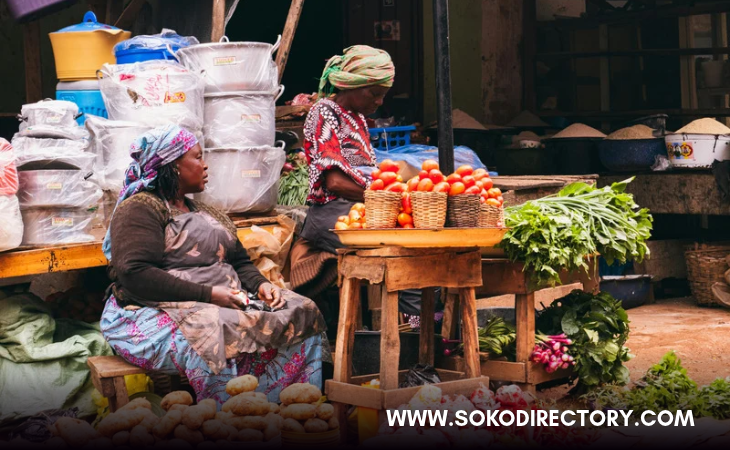
Kenya’s informal food traders contend with expensive transport, thin margins and frequent discretionary enforcement, according to Soko Directory.
A typical vegetable seller rises before sunrise, travels to the market, compares prices, purchases perishable stock and secures enough change for the first customer.
By lunchtime the trader has already paid for transport, storage, a legitimate market fee and other incidental costs.
If an inspector later demands a payment without an official receipt, the trader’s profit is effectively transferred to the official, eroding the day’s earnings.
The World Bank’s 2026 update links harassment of informal workers to broader governance challenges, noting that informal employment accounts for roughly 83.8 % of Kenya’s workforce.
These workers supply meals, deliveries, repairs and essential neighbourhood services, yet they have the least bargaining power when confronted by discretionary enforcement.
Higher costs for traders can lead to higher food prices for consumers, or force traders to cut stock and accept lower incomes.
Repeated harassment may push vendors away from legal stalls, reducing convenient supply for shoppers and depriving county authorities of legitimate revenue.
The analysis recommends that county governments display market charges clearly at entrances and online, accept only traceable payments, issue digital receipts and publish complaint response data.
It also calls for secure designated trading spaces, water, sanitation, storage facilities and transparent stall‑allocation rules, alongside disciplined enforcement officers and a fair appeal process for traders.



Comments