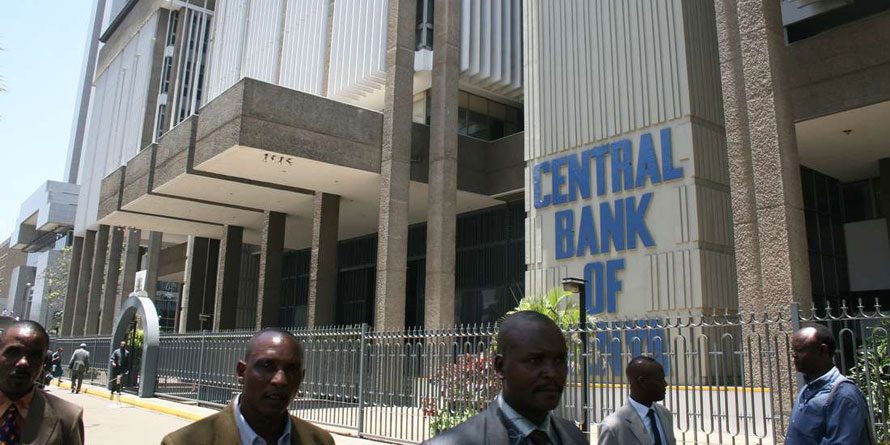
Banking fraud losses rose to Sh1.9 billion in 2025, a 19.4 percent increase from the Sh1.59 billion recorded in 2024, according to the Central Bank of Kenya (CBK).
The number of reported fraud cases grew to 385, while the total amount exposed to fraudulent activity reached Sh2.03 billion.
Card fraud emerged as the largest contributor, costing banks Sh645.2 million – more than double the Sh263.3 million lost in 2024 and accounting for roughly 34 percent of total fraud losses.
Mobile banking fraud fell to Sh634.3 million, down from Sh810.7 million the previous year, remaining the second‑largest source of loss.
Online banking fraud rose to Sh157.5 million, while internet scams jumped to Sh86.5 million, reflecting a shift toward digital attack vectors.
Banks recovered only Sh127.43 million of the Sh2.03 billion exposed, a recovery rate of 6.25 percent, down sharply from the 18.8 percent achieved in 2024.
The CBK warned that the low recovery rate could pressure banks’ profitability and their ability to build capital.
Insurance premiums for electronic computer‑crime coverage have risen, with large banks paying between Sh80 million and Sh400 million annually, according to Britam General’s acting COO.
In response to authentication weaknesses, Kenswitch partnered with Wibmo on October 30 to provide EMV 3‑D Secure services for Visa and Mastercard transactions, aiming to strengthen online card verification.
A July 2026 High Court ruling held Safaricom 60 percent liable and Diamond Trust Bank 40 percent liable for a Sh4.4 million loss caused by an unauthorised SIM swap, highlighting joint responsibilities for mobile‑based authentication.
The regulator has stepped up cybersecurity oversight, linking its data warehouse to payment service providers and establishing a financial stability committee to monitor systemic risks, including cyber threats.




Comments