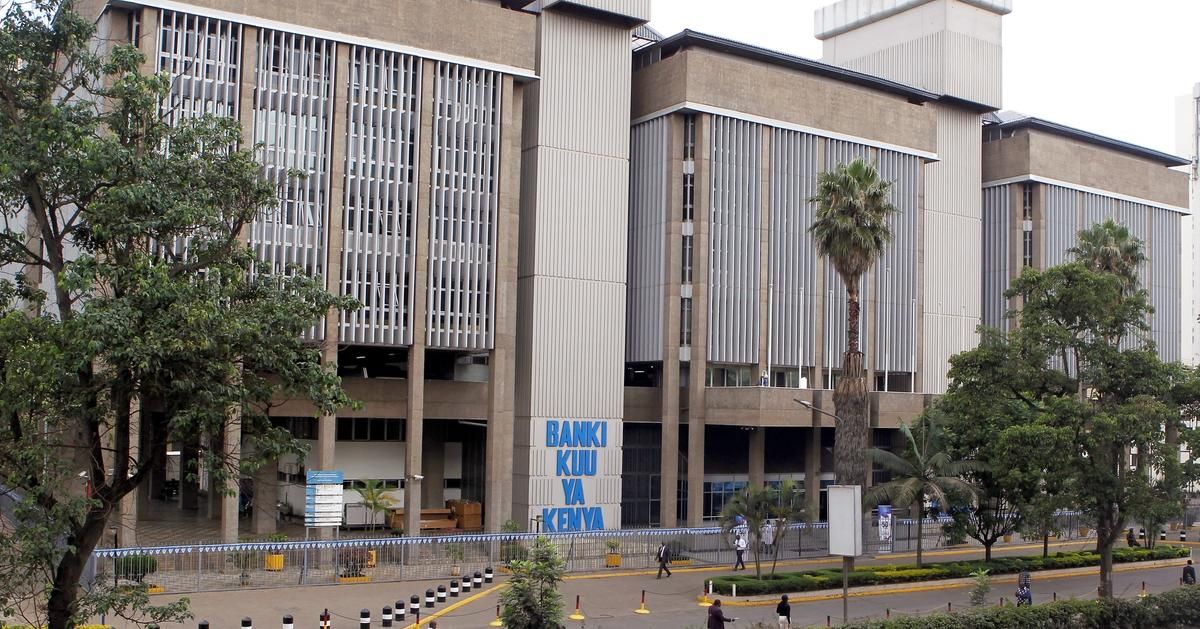
KBA chief executive Raimond Molenje said the additional buffers risk reversing the recent recovery in private‑sector credit, especially financing for micro, small and medium enterprises and agriculture.
The proposal was presented by chief executives of the country’s large banks at a KBA‑organised meeting last week, where they warned that the new requirements could interfere with credit provision to households and businesses.
CBK’s draft framework would classify banks by systemic importance and impose extra Common Equity Tier 1 (CET1) buffers of 0.5%, 1.5% or 2.5% of risk‑weighted assets, depending on the category.
The regulator also plans dividend‑distribution restrictions linked to CET1 ratios, with banks below 8.625% required to retain all earnings and higher‑ratio banks facing graduated retention rates up to 40%.
KBA wants CBK to extend consultations on how the rules will affect lending, dividend policies and capital‑raising plans before deciding on the implementation timetable.
The request comes as banks rebuild loan books after a contraction earlier in 2026; private‑sector credit growth rose from a 2.9% decline in January to a 10.6% expansion in September, supported by lower lending rates and stronger demand across sectors.
Separately, CBK and the National Treasury are negotiating the timeline for a broader core‑capital increase to KSh10 billion, with the Treasury favouring a single 2032 deadline versus CBK’s staged milestones ending in 2029.
Fourteen commercial banks were still below the KSh5 billion core‑capital threshold for December 2026, highlighting the pressure on institutions to meet both the new D‑SIB buffers and existing capital targets.
Molenje urged CBK to reconsider the January 2027 deadline, stating that postponing the rules would help sustain credit flows to households and businesses during the election cycle.


Comments