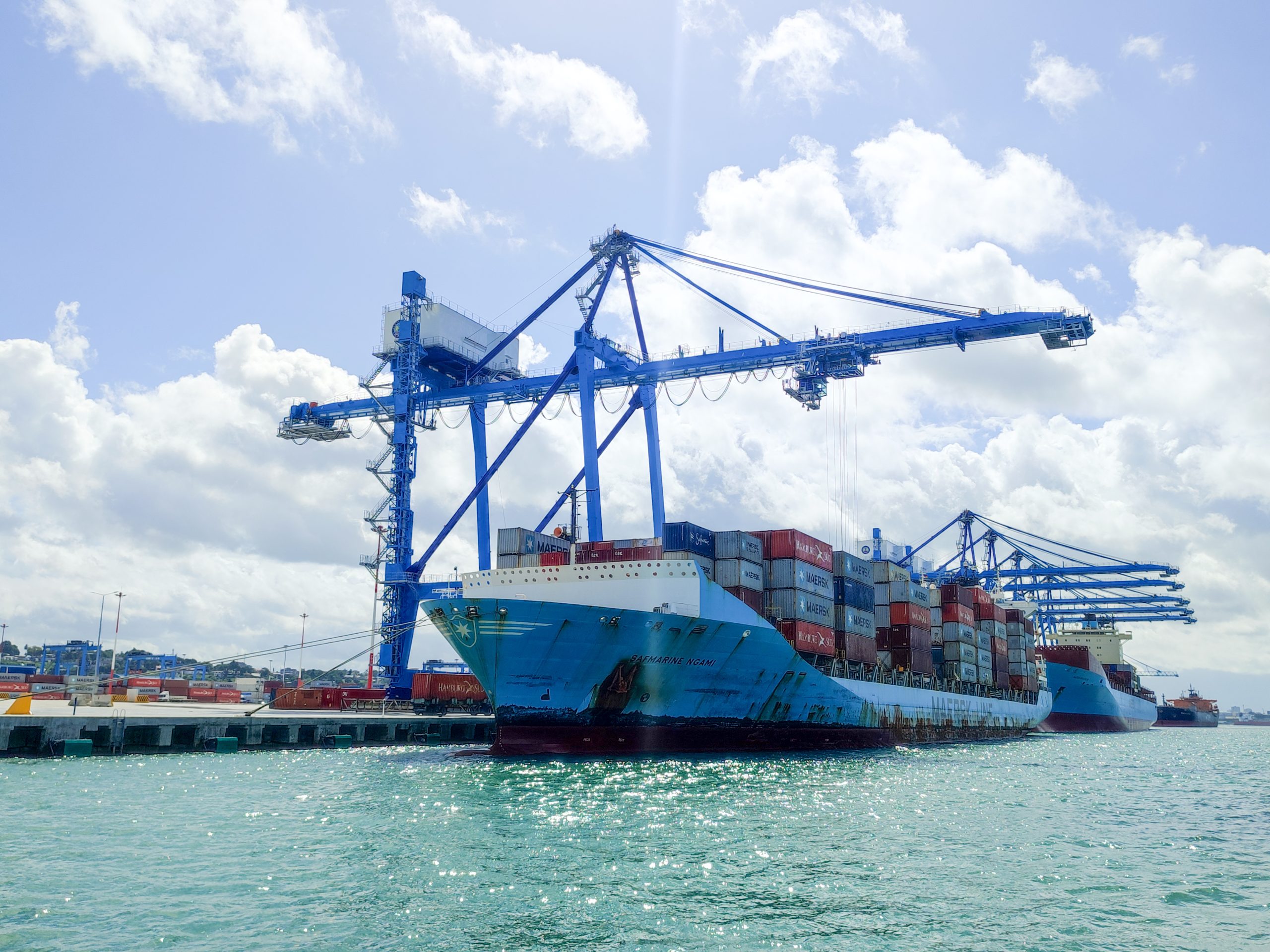
President William Ruto called on the European Union to address trade barriers during a meeting with EU delegation heads in Nairobi, aiming to unlock the full potential of Kenya‑EU commerce.
Kenya’s exports to the EU, primarily tea, coffee, horticultural products and cut flowers, account for 21 % of its global exports, supporting hundreds of thousands of livelihoods.
Under the Economic Partnership Agreement that took effect on 1 July 2024, Kenya enjoys duty‑free, quota‑free access to the EU market, a framework the government says must translate into tangible economic benefits.
Official data show Kenya’s exports to the EU rose to Ksh 166.8 billion last year, up from Ksh 156.9 billion in 2024, while imports from the EU rose to Ksh 237.3 billion, up from Ksh 249.7 billion.
Ruto identified stringent sanitary and phytosanitary standards, high freight costs and limited cold‑chain capacity as key obstacles for smallholder producers seeking EU markets.
He also urged acceleration of negotiations for a regional East African Community‑EU Economic Partnership Agreement to broaden market access beyond Kenya.
Beyond trade, the president appealed for increased EU investment in manufacturing, infrastructure, agriculture, energy and health to spur local production and technology transfer.
The EU has pledged support for projects such as the Northern Corridor, fibre‑optic connectivity, digital land registration and integration of refugee settlements, signalling a broader partnership scope.
Kenya, the first African nation to launch a structured Digital Dialogue with the EU, will discuss advancing fibre‑optic networks and extending the Blue Raman submarine cable at a session scheduled for 23‑24 November.
The government also seeks to deepen collaboration with EU artificial‑intelligence research institutions to foster innovation and digital public services.



Comments