Kenya Pipeline Company (KPC) has added a wholesale fibre‑optic operation to its core petroleum transport and storage activities, using the physical corridors of its pipelines to host telecommunications cables.
The model involves leasing dark fibre to customers who install their own transmission equipment, allowing operators to move data over KPC’s routes without KPC providing retail internet services.
In September 2024 KPC and Syokinet Solutions activated a 1.6‑terabit‑per‑second link between Mombasa and Nairobi, demonstrating the capacity of the shared right‑of‑way for high‑speed data transmission.
The fibre business recorded KSh349.9 million in income for FY2024/25, up from KSh156.6 million in FY2020/21, though revenue dipped slightly from KSh352.1 million the previous year.
Customers include major mobile operators Safaricom and Airtel, as well as wholesale providers such as SEACOM, Rain Communications and Savanna Fiber, indicating KPC’s role in Kenya’s broader connectivity ecosystem.
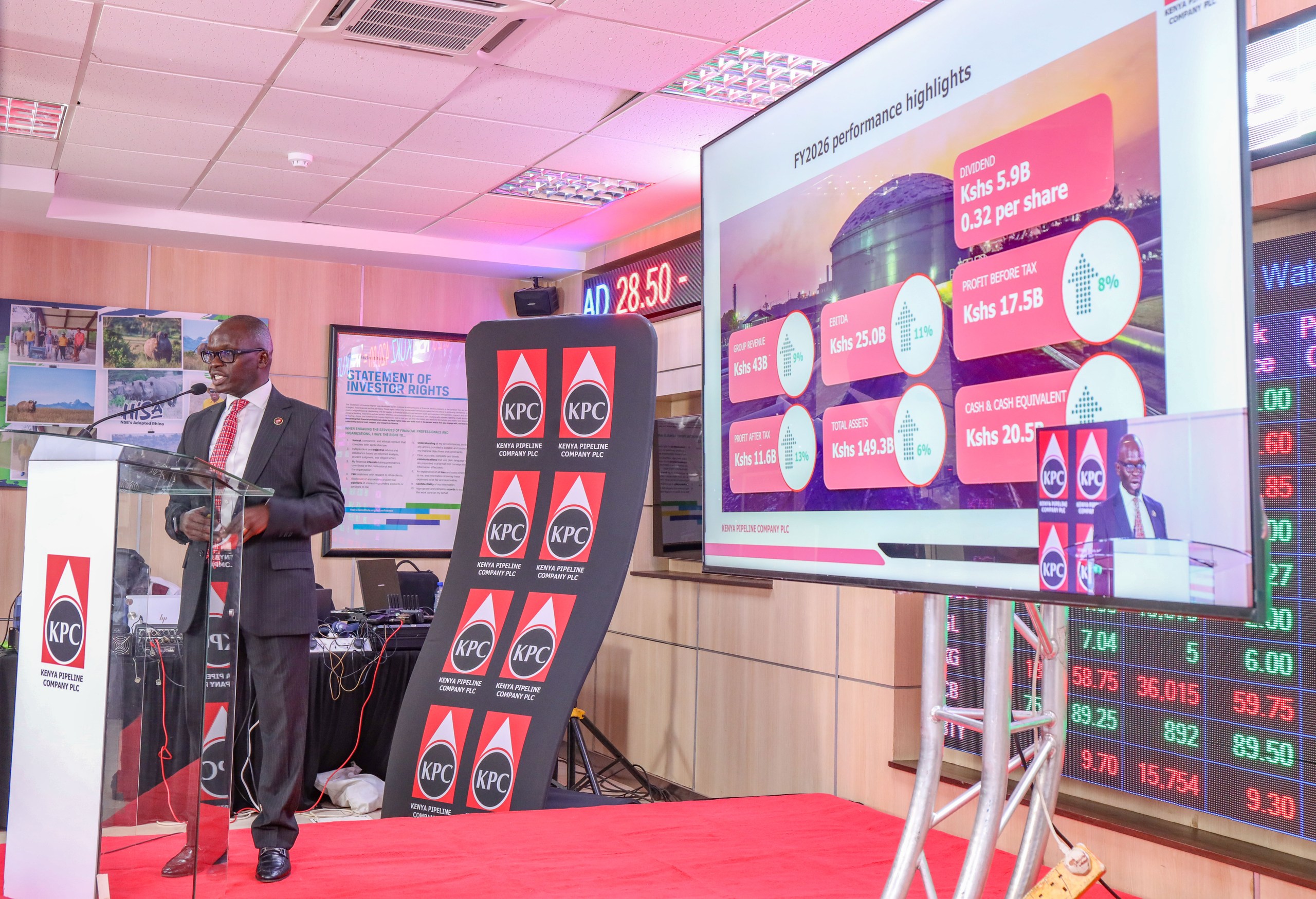
While fibre income remains a small share of KPC’s total revenue—KSh42.98 billion company‑wide for FY2025/26—the venture aligns with the firm’s diversification plan that targets greater uptake of its digital infrastructure through 2029/30.
Kenya’s broadband market continues to expand, with fixed‑line subscriptions reaching 2.84 million and fibre connections at 1.57 million by June 2026, creating potential demand for additional wholesale routes.
Future growth for KPC will depend on converting available capacity into leased capacity, attracting more telecom customers, and completing a new fibre‑optic cable project slated for 2026, which the company’s IPO prospectus expects to generate revenue.



Comments