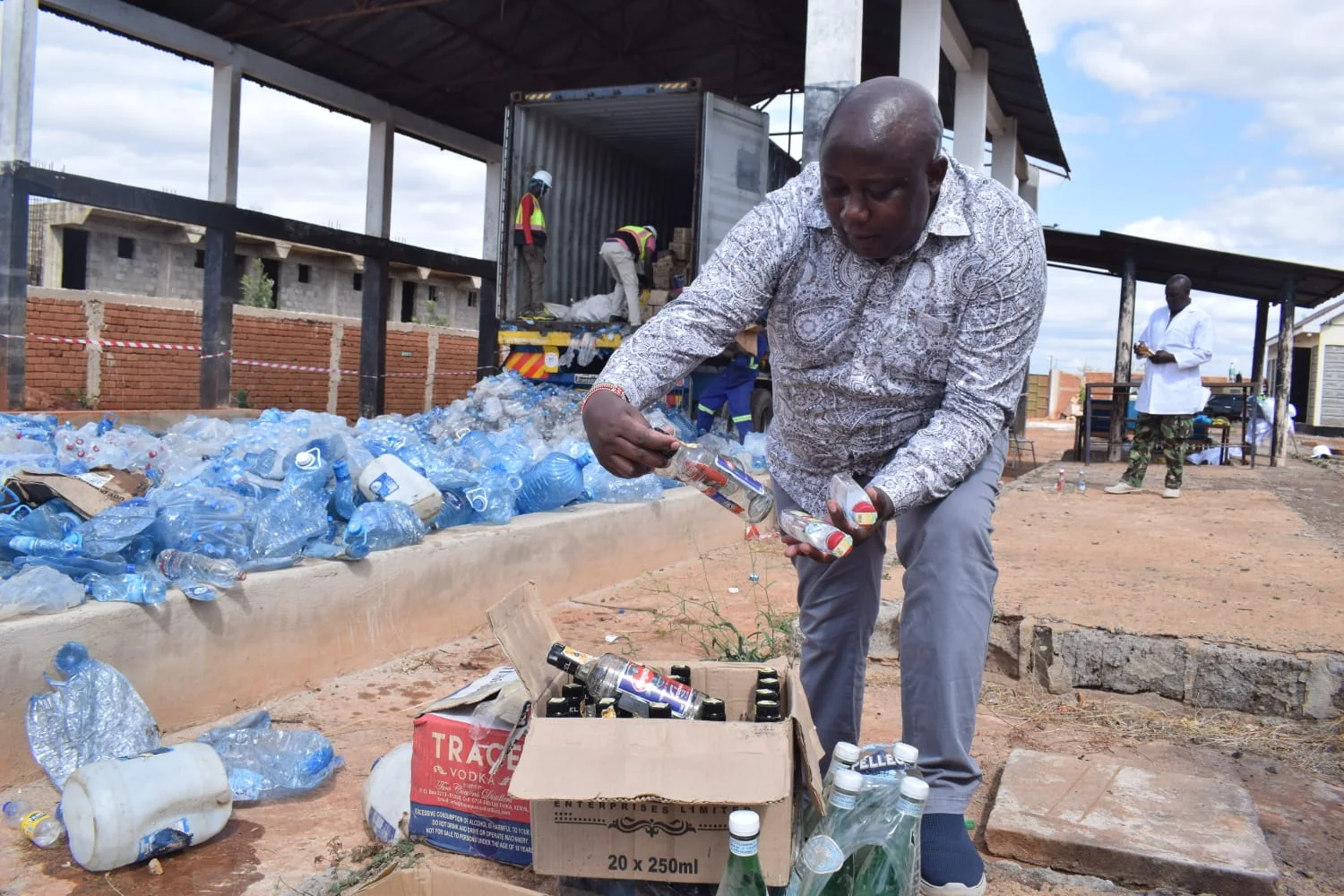
Recent figures indicate that counterfeit alcohol, medicines, cosmetics and electronic items are increasingly appearing in Kenyan retail channels, raising alarms over public health and fair competition.
Many of these items are sold from informal stalls and via internet platforms, exposing buyers to potential hazards while depriving the treasury of legitimate tax revenue.
Customs data reveal that seized contraband cigarettes jumped to 132,156 packs between September 2025 and August 2026, up from 9,707 in the prior year – a rise of more than twelve‑fold.
Other confiscated items listed in the report included 75,948 units of fake alcohol, 94,012 plastic items, 37,270 litres of illicit ethanol, 478 bags of counterfeit fertilizer, 2,333 bogus US‑dollar notes and 11,400 packets of fake milk.
The surge is linked to gaps in enforcement, the expanding use of e‑commerce sites and consumer preference for lower‑priced knock‑offs.
The report also flags collusion between certain officials and unscrupulous traders, together with more sophisticated counterfeiting methods, as key barriers to curbing the trade.
Limited public awareness and the affordability of fake goods continue to drive demand despite the associated health, safety and fiscal risks.
In response, authorities have stepped up border patrols, launched coordinated multi‑agency operations and expanded public education campaigns about the dangers of counterfeit merchandise.
The government further announced plans to increase arrests and prosecutions, boost monitoring of online marketplaces, improve product authentication mechanisms and deepen regional cooperation to dismantle cross‑border smuggling rings.


Comments