The Kenyan government has placed the illicit alcohol trade in the same legal category as terrorism and banditry, describing it as organised crime and part of a nationwide crackdown on harmful alcoholic drinks.
Deputy President Kithure Kindiki said the new classification will underpin a sustained, intelligence‑led response targeting illicit alcohol and drug networks, free from political interference.
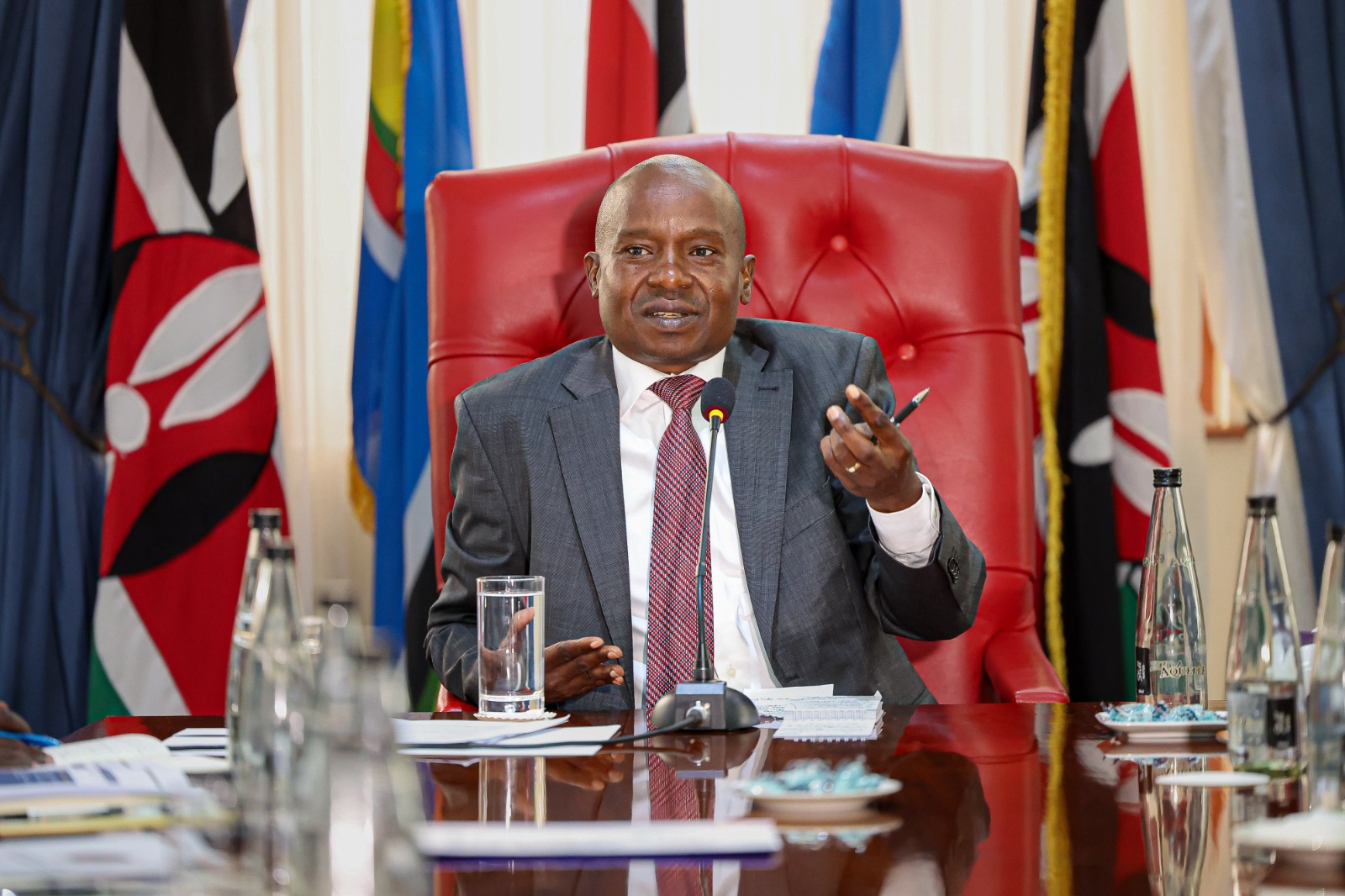
Speaking at a review meeting at the Official Residence in Karen on 21 October 2026, Kindiki warned that illicit alcohol and drugs pose a serious threat to Kenya’s future and pledged an uninterrupted, permanent campaign.
The campaign will focus on criminal networks rather than legitimate businesses, with the government determined to curb adulterated drinks that undermine development gains and youth potential.
A permanent secretariat has been set up on the sixth floor of Harambee House Annex, bringing together representatives from the police, Kenya Bureau of Standards, NACADA, the Anti‑Counterfeit Authority, the alcohol manufacturers association, intelligence services, the Directorate of Criminal Investigations, the Ethics and Anti‑Corruption Commission, the ministries of Trade and Health, and the Kenya Revenue Authority.
Kindiki directed agencies to strengthen the capacity of anti‑counterfeit bodies, KEBS and the Anti‑Narcotics Unit, and to support NACADA in sustaining operations and improving effectiveness.
He cited nine recent operations targeting ethanol and 116 operations against traditional brews manufactured outside the legal framework, while noting that details of ongoing actions will be released only after successful completion to protect intelligence.
The government is reviewing legislation to impose tougher penalties on all participants in the illicit alcohol supply chain, including manufacturers, suppliers, financiers and enablers.
Kindiki clarified that traditional brews remain legal under the Alcoholic Drinks Control Act of 2010, provided they meet KEBS standards, and urged religious, community, business and political leaders to support the whole‑of‑society approach.
The campaign is positioned as apolitical, with security agencies responsible for enforcement and operations guided by intelligence and evidence.




Comments