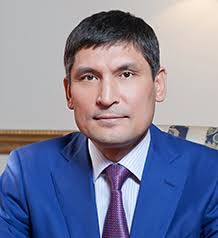
Dinmukhamet Idrisov, a prominent Kazakh businessman whose fortunes were built in construction, utilities and mining, is now contesting a 2018 settlement that forced him to surrender shares in AltynEx Company, a gold producer.
The original agreement, reached on 27 November 2018 during mediation, was intended to settle claims exceeding 80 billion tenge by transferring roughly 22.7 billion tenge worth of AltynEx shares to other investors.
Idrisov now argues that he signed the deal under severe psychological pressure stemming from a criminal investigation launched after businessman Valikhan Koshumbaïev filed a complaint in 2018.
He claims the investigation threatened his freedom, forcing a choice between business assets and personal liberty, and contends that AltynEx was worth far more than the settlement amount, with an independent valuation placing it above 175 billion tenge.
Critics counter that seasoned entrepreneurs sometimes accept unfavorable settlements to eliminate risk, noting the several‑year gap before Idrisov revived the dispute and suggesting the original deal was a strategic decision rather than coercion.
Kazakh courts are now examining not only the contractual validity of the 2018 transaction but also Idrisov’s mental state at the time of signing, an unusual focus for a corporate case.
The outcome could set a precedent for whether transactions concluded under alleged duress can be unwound, a question with implications for Kazakhstan’s broader business climate and its ongoing legal reforms.

Comments