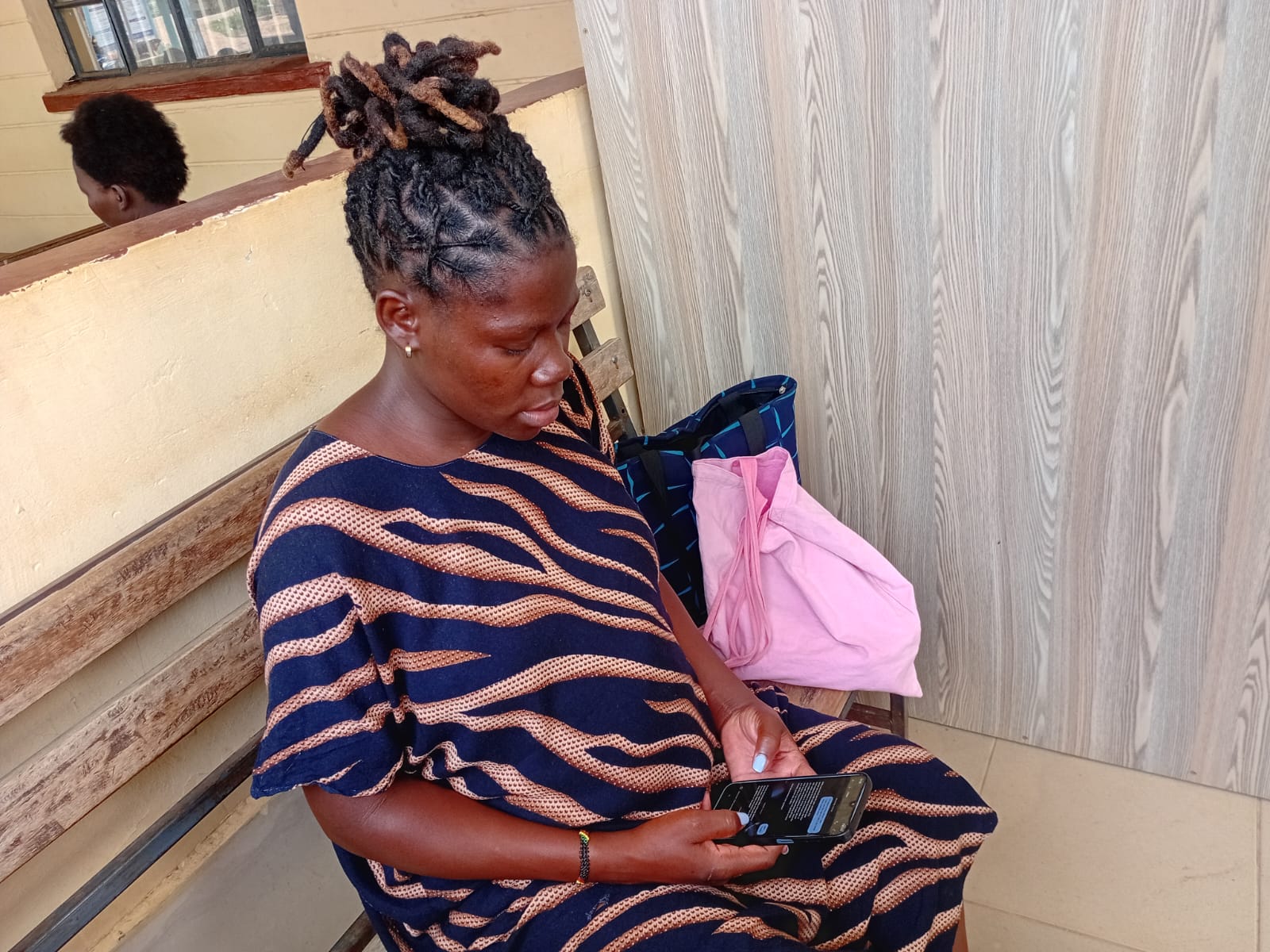
Pregnant mother Ashley Atieno credits the app’s two‑day advance appointment reminders for helping her attend every scheduled antenatal clinic during her second pregnancy.
Diana Ambugwi, who is on bed rest after a previous caesarean, uses the app to monitor symptoms linked to possible pre‑eclampsia, receive nutrition advice and manage her mental health, though she reports occasional delays in receiving information.
Women without smartphones, such as Irene, can access key maternal health messages through USSD on a partner’s phone, but shared ownership raises privacy concerns, especially for those living with HIV.
Kuoyo Health Centre reports that active users of the platform have risen from about 400 to more than 700 within a year, with clinic attendance approaching full capacity.
First‑time mother Doreen Achieng says the app guided her on nutrition, breastfeeding, newborn care and post‑delivery monitoring, filling the gap left by limited family support.
The platform also tracks child growth and developmental milestones up to five years, a feature used by mother Minah Akelo Juma to monitor her three‑year‑old son.
Community health volunteers work with the centre to follow up women who miss appointments, encouraging registration at formal facilities instead of reliance on traditional birth attendants.
Administrators note that these combined interventions have led to an upsurge in maternity service utilisation, with client numbers reaching nearly 100 percent of capacity.
Separate digital tools, such as the AI‑driven Wonder electronic health record system, have screened thousands of pregnancies and flagged hundreds for clinical review, contributing to a decline in perinatal deaths in selected wards.



Comments