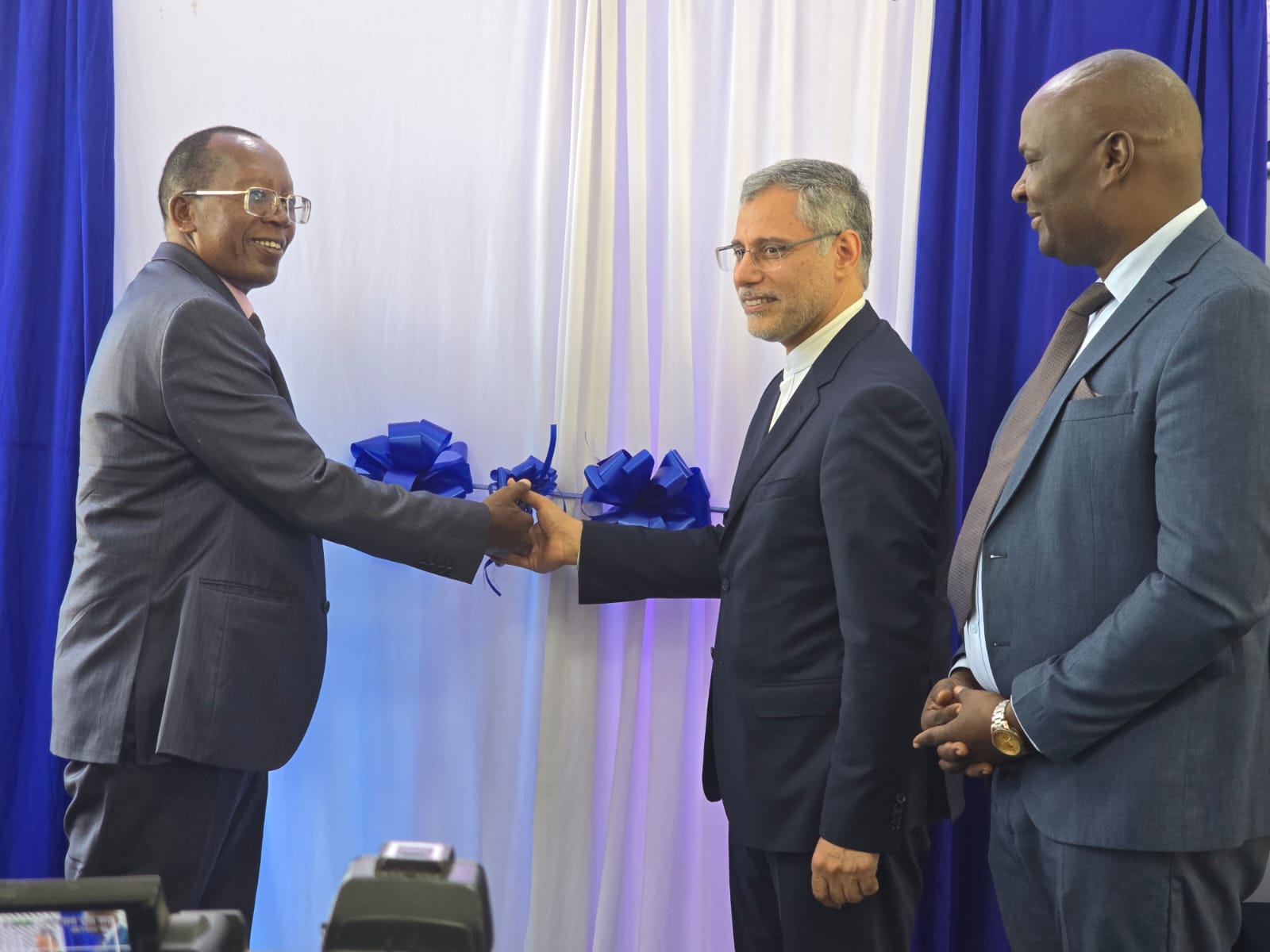
During the inauguration of new postgraduate programmes in International Relations and Diplomacy at Zetech University, Iran’s ambassador to Kenya, Dr Ali Gholampour, urged students to form their own perspectives rather than accept dominant media narratives on wars and aggression.
Gholampour highlighted that many International Relations theories originate from scholars in the United States and Europe, often reflecting the interests of powerful nations and potentially justifying super‑power interventions.
He warned that reliance on such mainstream theories can limit critical analysis, urging students to avoid satisfaction with frameworks built by Western academia.
Citing African conflicts, the ambassador noted that foreign powers have often influenced civil wars on the continent, reinforcing his call for an independent understanding of international politics.
Gholampour also accused powerful nations of seeking renewed influence over countries such as Iran, Venezuela, Cuba and parts of Africa, describing these moves as a modern form of colonial domination.
He challenged students to move beyond established theories and craft analytical approaches that reflect the realities and interests of their own nations.
Zetech University’s Vice‑Chancellor, Prof Njenga Munene, said the institution aims to produce diplomats who prioritize Kenya’s economic welfare, negotiate beneficial trade deals and support industrial development.
Munene added that the new programmes will equip graduates with skills to represent Kenya effectively on the international stage and contribute to the country’s economic independence.



Comments