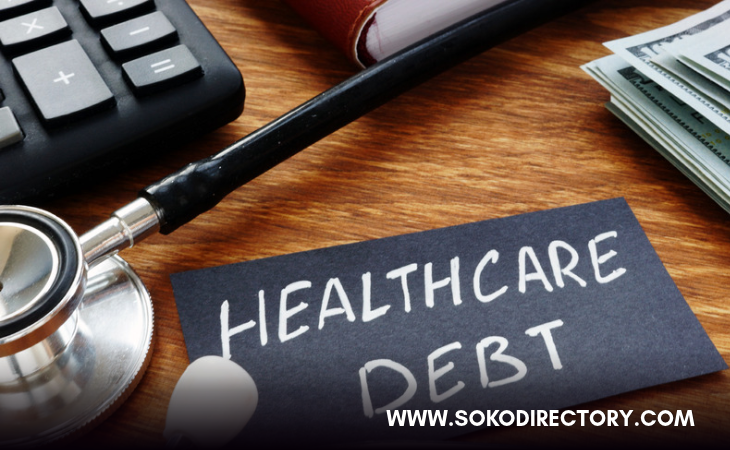
The World Bank’s November 2026 Kenya overview reports that roughly one‑third of the nation’s revenue is absorbed by interest payments on sovereign debt.
These interest obligations are a fixed fiscal burden that reduces the pool of money available for competing priorities, including health‑sector allocations.
For patients, the impact is tangible: delayed purchases of medicines, shortages of diagnostic equipment and strained county health systems push many to pay out‑of‑pocket.
The article stresses that interest payments are not an abstract statistic for clinic users; they directly affect whether a doctor, a functioning diagnostic machine and prescribed medicines are present.
Borrowing that fails to generate matching public value—such as projects plagued by procurement waste, weak maintenance or repeated cost overruns—adds to the debt burden without improving service delivery.
Experts argue that a realistic debt‑reduction plan should begin by eliminating waste and avoiding procurement inflation, rather than imposing automatic cuts that shift costs onto the poorest households.
The piece calls for explicit safeguards for social protection and basic healthcare in fiscal planning, ensuring essential services are protected during any adjustment process.
Overall, the analysis suggests that without reforms to debt management and project appraisal, the fiscal pressure from interest payments will continue to crowd out critical health‑sector spending, leaving patients to shoulder higher costs.



Comments