
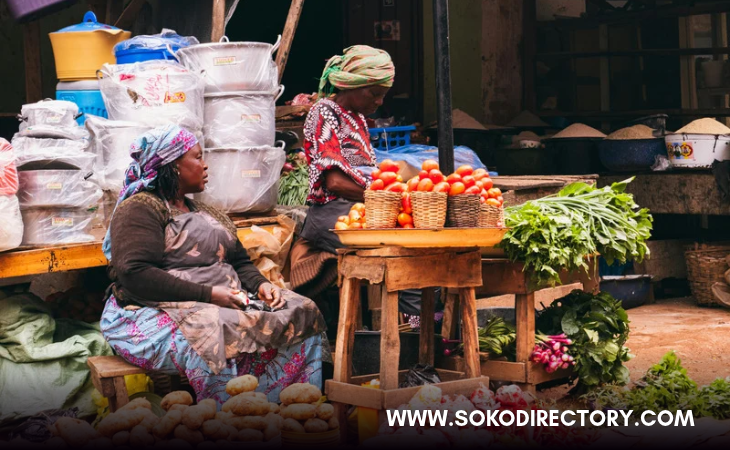
The World Bank estimates that 83.8% of Kenya’s workforce is employed informally, while Kenya National Bureau of Statistics data indicate that informal jobs accounted for 87.2% of the 822,100 positions created in 2025.
These percentages arise from different measurement approaches, yet both highlight that most recent job growth occurs in low‑pay, low‑protection settings.
Analysts note that counting jobs alone does not reveal work quality, which includes real earnings, hours worked, safety, and access to social protection.
An informal worker can be productive and skilled, yet a medical emergency, loss of a tool or a poor market day can quickly erode savings and push households into debt.
The analysis argues that formalisation policies must deliver tangible benefits—such as simpler licences, affordable health cover, portable social protection, safer market spaces, reliable electricity and prompt public‑contract payments—rather than merely increasing tax exposure.
For small firms, the incentive to register formally hinges on clear advantages that outweigh paperwork, including the ability to grow into stable employers with consistent staff.
The overarching goal, according to the commentary, is to turn informal hustles into stepping stones rather than permanent traps, ensuring that job creation translates into sustainable livelihoods.



Comments