
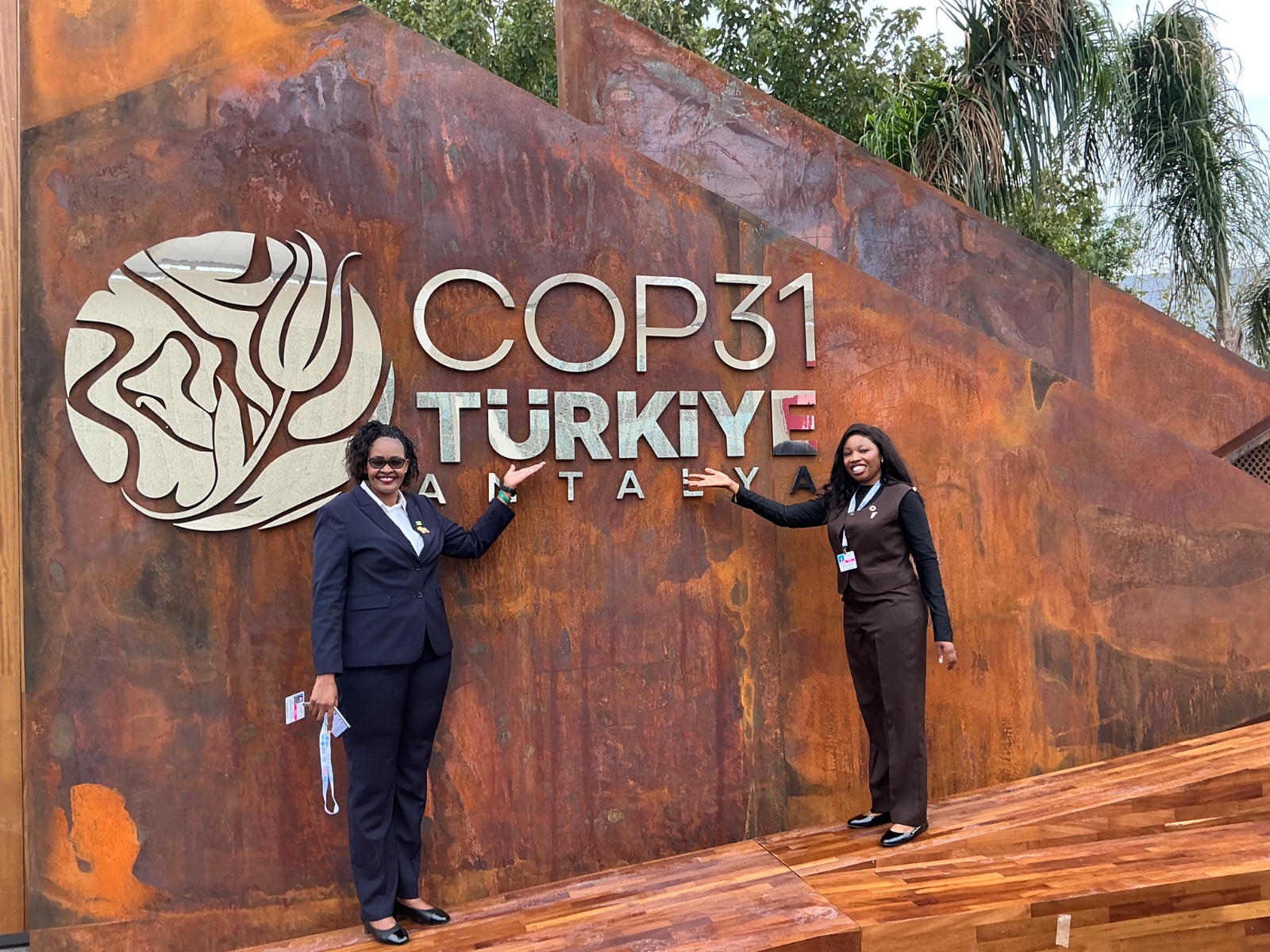
During a side event at COP31 in Antalya, Turkey, Indigenous representatives and climate experts warned that carbon trading schemes could reinforce colonial land systems, exclude women from decision‑making and erode community control over ancestral territories.
Panelists from Africa, Asia and other regions questioned whether carbon markets deliver genuine climate action or simply open new avenues for corporate control of Indigenous lands under the pretext of environmental protection.
The discussion focused on Article 6 of the Paris Agreement, noting that measuring nature primarily by its carbon‑storage capacity overlooks the social, cultural, spiritual and ecological relationships Indigenous peoples maintain with their territories.
Speakers highlighted that more than 90 % of certain voluntary carbon credits were deemed ‘phantom credits’, representing forest protection that would have occurred without the projects, thereby creating an illusion of climate responsibility.
Eliza Morguera pointed to structural weaknesses such as carbon leakage, lack of transparency, fraud and the unequal distribution of financial benefits, with profits often captured by large technology firms in the Global North rather than local communities.
For pastoralist groups, carbon projects can impose restrictions that penalise seasonal livestock movements, threatening the mobility essential for Maasai and other herders’ resilience to climate variability.
Long‑term carbon agreements, some lasting up to 30 years, raise doubts about communities’ ability to retain control over their lands and adapt to demographic or environmental changes.
Women’s exclusion from decision‑making was highlighted as a major weakness, with limited direct access to carbon revenues and insufficient transparency undermining gender equity.
A Kenyan participant warned that recent changes to national climate governance removed criteria for Indigenous representation on the National Council on Climate Change, potentially weakening community participation in Kenya’s climate policies.
Panelists debated whether civil‑society groups should continue technical negotiations to improve safeguards or shift toward alternative, grant‑based climate finance models that respect Indigenous self‑determination.


Comments