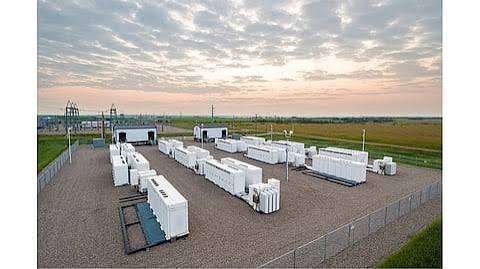
The Union Cabinet approved the India Energy Storage Scheme, a viability‑gap funding initiative aimed at adding 92 GWh of grid‑scale storage capacity across the country.
The programme carries a financial envelope of ₹14,500 crore (US$1.53 bn) and is slated for five financial years, from 2026‑27 through 2030‑31.
Information and Broadcasting Minister Ashwini Vaishnaw announced the approval on 4 November 2026.
The scheme allocates 30 GWh to battery energy storage systems, 60 GWh to pumped‑storage projects and 2 GWh to emerging storage technologies.
Battery projects must meet a minimum 40 % domestic content requirement to promote local manufacturing and reduce reliance on imports.
Total investment needed for the storage assets is estimated at ₹97,600 crore, with the government support intended to improve project viability and attract private capital.
The Ministry of Power will oversee policy and implementation, while the Central Electricity Authority will provide technical standards and monitor progress.
Developers of eligible battery or pumped‑storage projects will submit proposals through the established procurement process, and electricity distribution companies are expected to be the primary buyers of the resulting capacity.
The scheme supports India’s target of 500 GW of non‑fossil generation by 2030, where storage is critical for integrating expanding solar and wind output.
No specific project sites, contractors or construction start dates were disclosed in the cabinet announcement.




Comments