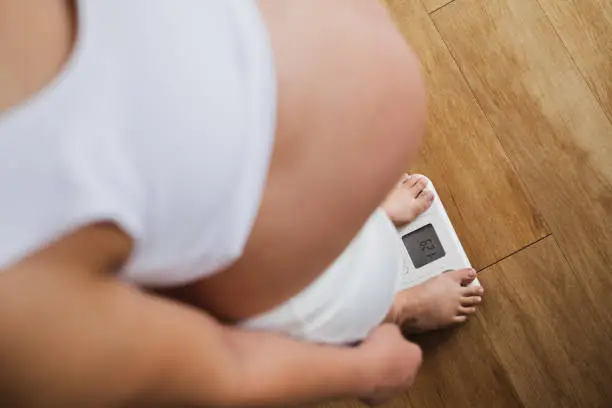
Gaining the right amount of weight supports fetal growth and maternal health, and the needed amount varies with pre‑pregnancy weight, height, number of babies and overall health.
A balanced diet should include protein‑rich foods such as eggs, beans, lentils, low‑mercury fish and well‑cooked meat, alongside carbohydrates like whole grains, potatoes, rice and whole‑grain bread.
Daily intake of fruits, vegetables, calcium‑rich dairy (milk, yoghurt, pasteurised cheese) and healthy fats from avocados, nuts, seeds or vegetable oils provides essential vitamins, minerals and fibre.
Women who feel full quickly or experience nausea are advised to eat three balanced meals plus protein‑rich snacks such as yoghurt with fruit, peanut butter on whole‑grain bread, boiled eggs or a handful of unsalted nuts.
Calorie needs rise in the second and third trimesters, with most women requiring about 340 extra calories per day in the second trimester and 450 extra calories per day in the third, though individual needs differ.
Weight‑gain targets are based on pre‑pregnancy BMI; for a singleton pregnancy the typical ranges are 12.5–18 kg for underweight women, 11.5–16 kg for normal BMI, 7–11.5 kg for overweight and 5–9 kg for obesity.
Regular antenatal visits allow providers to monitor weight, adjust dietary plans and flag warning signs such as sudden weight gain with severe headache, visual changes or facial swelling, which require urgent assessment.
Staying hydrated and, if pregnancy is uncomplicated, engaging in gentle activities like walking, swimming or approved exercises helps maintain overall health without hindering needed weight gain.
Women should avoid weight‑gain supplements or herbal products unless specifically recommended by a healthcare professional.
If persistent nausea, vomiting or inability to keep food or fluids down occurs, pregnant women are urged to consult their antenatal provider for tailored advice.



Comments