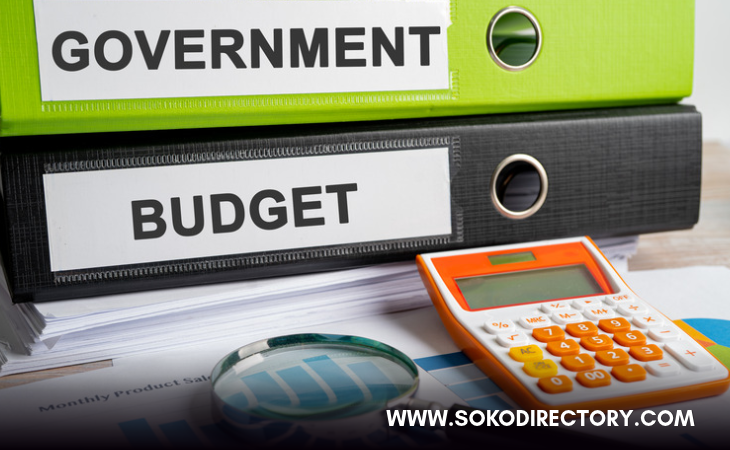
When the state delays payment for completed work, such as road repairs or hospital supplies, the cost of the contract is effectively transferred to the supplier’s own financing.
Until the government settles its bills, suppliers must rely on overdrafts, credit lines or personal reserves, meaning the apparent fiscal restraint is financed by private capital.
The IMF defines arrears as obligations that have fallen due but remain unpaid, highlighting weaknesses in budgeting, verification and cash management as root causes.
A delayed payment reduces a supplier’s borrowing capacity, potentially causing it to reject private orders because the state already occupies its financing limit.
Creditors observing missed instalments may downgrade the supplier, raising its cost of funds even though the liquidity shock originated from the public debtor.
Suppliers often price the risk of delay into bids, but higher prices can reduce competition, leaving the government with fewer serious offers and potentially poorer value.
Transparent arrears clearance programmes should specify eligibility, verification steps, settlement order and appeal mechanisms to avoid favouring politically connected claimants.
Digital procurement systems can help by linking authorisation, delivery confirmation and payment status, but only if they provide reliable timestamps and clear rejection reasons.
Entrepreneurs should treat a public contract as a financing proposal, reviewing payment conditions, dispute procedures and exposure to a single authority before committing resources.
Legislators are urged to demand detailed arrears data—age profiles, new accumulations and actual settlements—rather than relying on a single stock figure that can mask write‑offs or reclassifications.


Comments