The High Court rejected a challenge by Lincolnshire County Council and North Kesteven District Council, confirming the government’s April 2026 approval of the Springwell solar farm.
Judge Mr Justice Kimblin ruled that the councils’ alleged procedural defects were not arguable, preventing the case from proceeding to a full judicial review.
The decision leaves the Development Consent Order in place, enabling developers EDF Power Solutions UK and Luminous Energy to continue pre‑construction work.
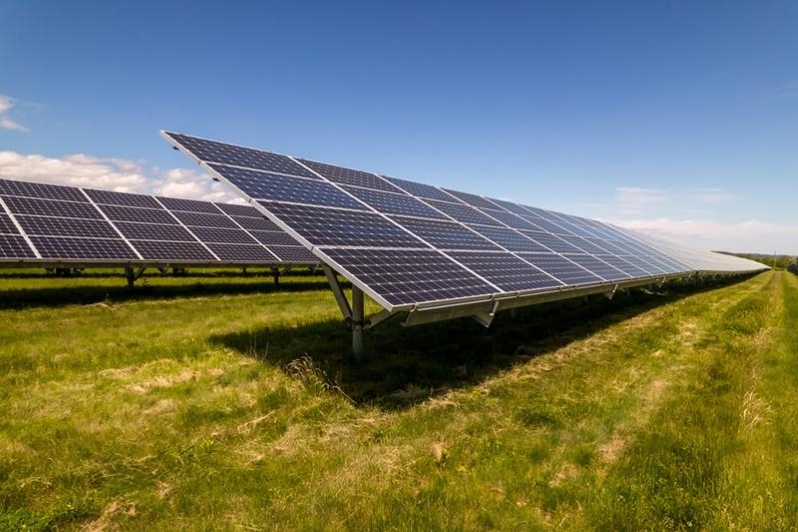
Springwell Solar Farm is a utility‑scale 800MW photovoltaic project covering about 1,280 hectares of primarily agricultural land between Lincoln and Sleaford.
The scheme will include ground‑mounted panels, battery storage, an on‑site substation and a 400kV underground connection to a new National Grid substation at Navenby.
When operational, the farm is expected to supply electricity to more than 180,000 homes – roughly half of Lincolnshire’s households – and operate for about 40 years before land restoration.
Approximately 48% of the site (623 hectares) will host solar panels, battery storage and the substation, while the remaining land is earmarked for landscaping, hedgerows, footpaths and continued agricultural use.
Developers have pledged an annual community benefit fund of £400 per megawatt, potentially delivering up to £320,000 each year if the full 800MW capacity is installed.
The project’s next milestones include finalising construction programmes, completing site surveys, and coordinating with National Grid to deliver the Navenby substation, which remains a separate but essential component.
Export of electricity to the National Grid is targeted for 2029, subject to successful construction and grid‑connection delivery.



Comments