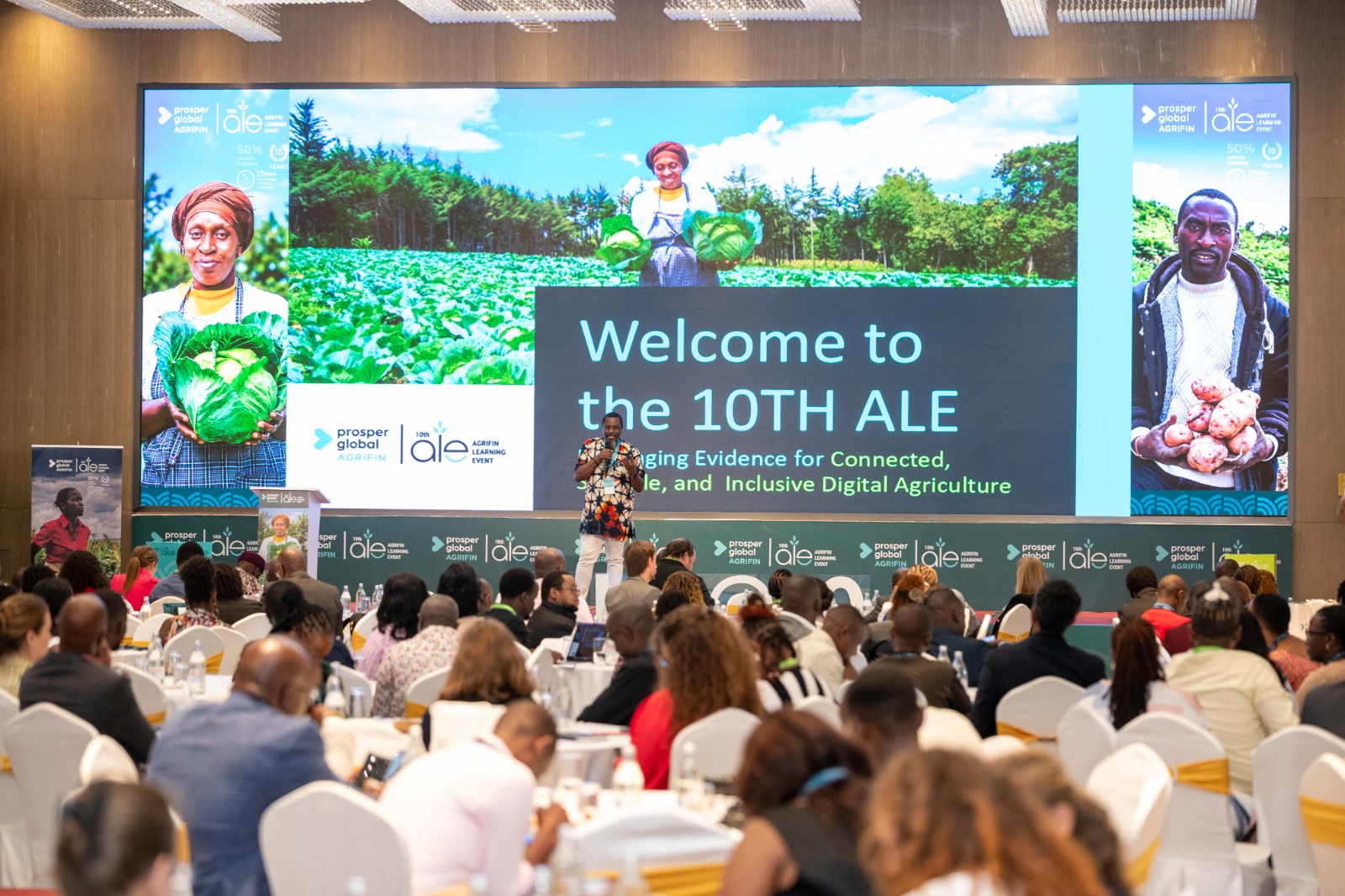
At the 10th AgriFin Learning Event in Nairobi, Sieka Gatabaki, programme director of Prosper Global AgriFin, highlighted that the future of agricultural development hinges on building income‑generating systems that deliver money and information to farmers when needed.
He warned that delayed payments in the supply chain force small processors to borrow costly short‑term loans, leaving farmers unpaid even after their produce is sold.
Gatabaki urged stakeholders to shorten payment periods, better utilise existing warehouses and cold‑storage facilities, and improve market access so that revenue can become the primary source of financing for agribusinesses.
Jasmina Lipovic, Global Finance Operations & Compliance Director at Prosper Global AgriFin, said the organisation is transitioning from grant‑dependent programmes to partnerships with banks, agribusinesses and tech firms to sustain digital services for smallholders.
Access to finance remains a major barrier, as lenders view agriculture as risky due to weather variability and limited farmer data; digital platforms can bridge this gap by aggregating farm activity, weather and yield information.
Elias Nure cited Ethiopia’s Lersha platform, which expanded from 300 to 100,000 farmers, as proof that new datasets enable lenders to offer credit without traditional collateral.
Gatabaki believes AI that communicates in local languages can help farmers understand weather warnings and agronomic advice, increasing the relevance of digital services.
In Kenya, AgriFin integrates weather data from the Kenya Meteorological Department and agronomic guidance from KALRO, and also uses Interactive Voice Response and audio messages to reach low‑literacy users.
Overall, Gatabaki concluded that sustainable agricultural growth depends on reliable buyers, affordable finance, timely payments and technology that adapts to local contexts, rather than continued reliance on donor grants.


Comments