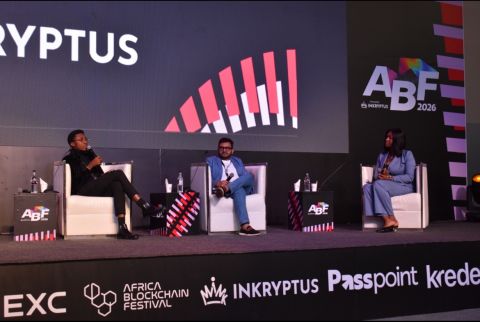
Speakers at the Africa Blockchain Festival 2026 in Nairobi highlighted that using stablecoins for payroll requires employers to look beyond transaction speed and ensure workers receive the intended net amount.
Benjamin O. Ajibola, Africa lead at StatePay, said tax, regulation, accounting and payment accuracy are the main concerns for companies considering stable‑coin wages.
He explained that while a stable‑coin can reach a wallet instantly, the final amount available to an employee depends on conversion fees, exchange‑rate fluctuations and the steps needed to move funds into a local bank or mobile‑money account.
Employers therefore need a clear process for calculating gross payments, recording each blockchain transaction and reconciling the value after conversion to ensure compliance with Kenyan tax rules.
Manan Vora, executive director at Chainberg, warned firms to differentiate between self‑custody and using a custodian, noting that due‑diligence on any service provider is essential for managing private‑key security and regulatory obligations.
He also advised daily reconciliation of blockchain balances with accounting records to maintain an auditable trail of assets held and transactions executed.
Choosing the right stablecoin matters; Vora emphasized that USDT, USDC and the US dollar are not interchangeable and that firms should assess issuers’ audits, reserve quality and redemption mechanisms before adopting a token for payroll.
The panel concluded that stable‑coin payroll can facilitate cross‑border payments, but businesses must integrate conversion costs, compliance checks and internal approval controls into their payment workflows to deliver reliable wages.


Comments