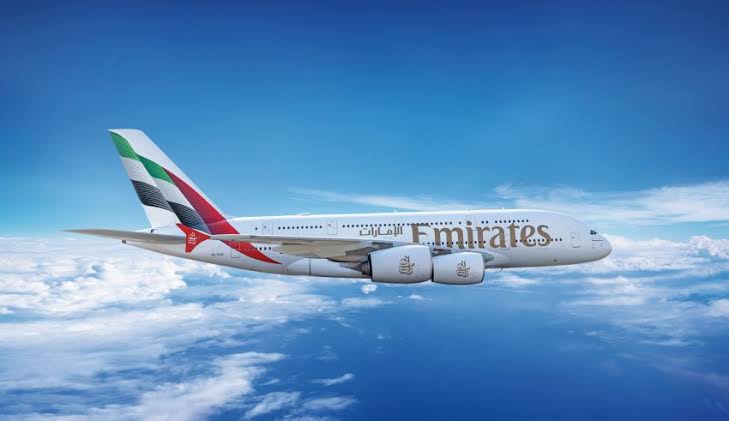
The Emirates Group reported a profit before tax of AED 4.1 billion (US$ 1.1 billion) for the six months to 30 September 2026, a 66 percent decline from the same period a year earlier.
Group revenue fell 12 percent to AED 66.2 billion (US$ 18.0 billion), and cash holdings decreased to AED 54.1 billion (US$ 14.7 billion) from AED 59.6 billion at the end of March.
Emirates airline posted a pre‑tax profit of AED 3.7 billion (US$ 1.0 billion), down 68 percent, with revenue of AED 56.9 billion (US$ 15.5 billion), a 13 percent drop year‑on‑year.
Ground‑handling subsidiary dnata recorded a pre‑tax profit of AED 410 million (US$ 112 million), a 51 percent decline, on revenue of AED 11.0 billion (US$ 3.0 billion), down 7 percent.
Fuel expenses rose 60 percent despite a 12 percent reduction in fuel uplift, while gains from the fuel‑price hedging programme of AED 7.1 billion limited the net increase in fuel cost to 13 percent.
SkyCargo moved 1.2 million tonnes, a 1 percent decline, but cargo revenue surged 52 percent as the regional conflict reduced maritime freight capacity and shippers turned to air freight.
Passenger traffic dropped 22 percent to 21.8 million passengers; available seat kilometres fell 17 percent and revenue passenger kilometres fell 25 percent, reflecting reduced flight schedules and travel advisories.
The Group used its cash reserves to meet operational needs, including pre‑delivery aircraft payments and debt servicing, and paid the remaining AED 2 billion of the dividend declared for FY 2025‑26 to its owner, the Investment Corporation of Dubai.
Chairman and CEO HH Sheikh Ahmed bin Saeed Al Maktoum attributed the ability to resume safe air services to the UAE government’s response and said the Group is well‑placed to navigate high fuel prices and regional volatility.
Employee numbers fell 2 percent to 128,237 as of 30 September 2026, but both Emirates and dnata continue recruitment drives to meet business requirements.




Comments