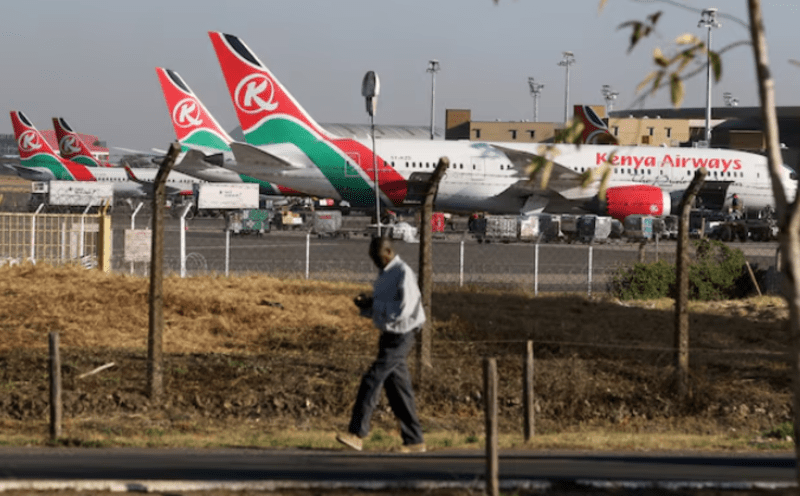
User Preferred Routes (UPRs) are scheduled to become operational across Eastern and Southern African airspace on 21 January 2027, following trial flights earlier in 2026.
The rollout follows approvals granted by August 2025 to Ethiopian Airlines, Kenya Airways, EgyptAir, Royal Air Maroc, RwandAir and ASKY Airlines for 30 city‑pair routes using UPRs.
Free Route Airspace (FRA) and UPRs let aircraft choose more efficient trajectories between designated points while remaining under air‑traffic control supervision.
Trials between June and September 2026 involved three airlines that operated 2,189 flights on UPRs, saving about 8,000 minutes of flight time, 1,218 tonnes of fuel and 3,838 tonnes of CO₂.
AFRAA estimates the fuel savings from those trial flights at roughly $900 (Sh116,550) per flight, amounting to about $2 million across the trial period.
When fully implemented, the system could save airlines more than 1,393 flight hours and 5,000 tonnes of fuel each year, translating to about $15 million in fuel‑cost reductions and preventing roughly 16,000 tonnes of CO₂ emissions.
Why the new routing matters for African carriers
African airlines face some of the world’s highest operating costs, with fuel accounting for about 40 % of total expenses and African fuel prices roughly 17 % above the global average in 2024.
More direct routes can lower fuel burn and flight time, easing cost pressures that keep ticket prices high, although savings may not translate into immediate fare cuts.
Airfares are set by multiple factors beyond fuel, such as demand, seat capacity, taxes, airport charges and other operating costs, so airlines may first use savings to improve profitability or service reliability.
Implementation support and expected benefits
The African Airlines Association (AFRAA) is coordinating the rollout, with financial support for the FRA trials provided by Afreximbank.
Airlines operating routes that currently require large detours around fixed corridors are expected to realise the greatest efficiency gains, though actual savings will vary by route, weather and traffic conditions.


Comments