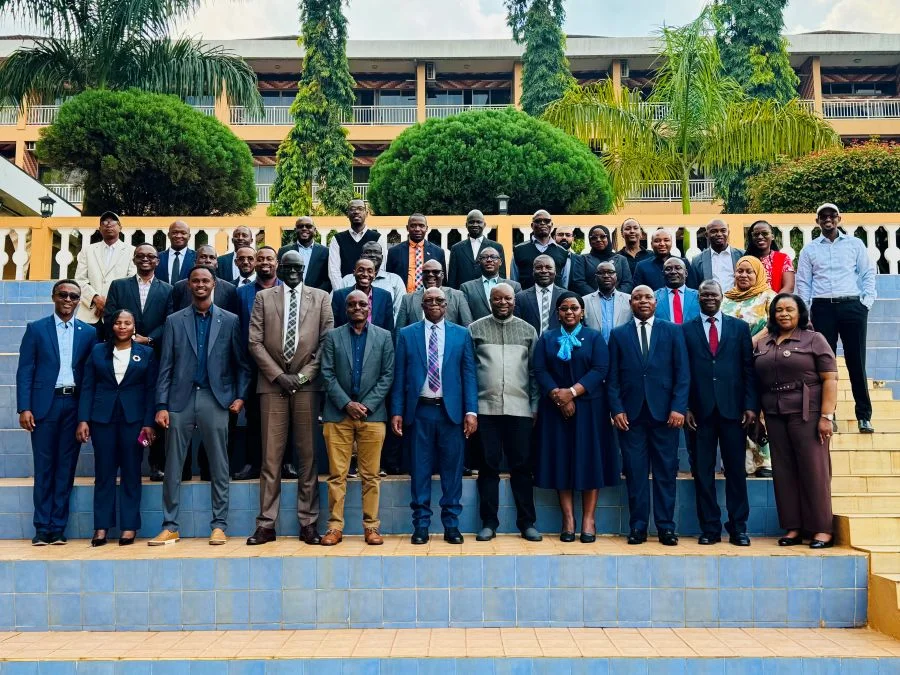
Education, science and technology ministers adopted the EAC Artificial Intelligence Strategy together with the bloc’s Digital Transformation and Biotechnology Strategies at the 21st Sectoral Council meeting in Kampala, which ran from 27 to 31 October 2026.
The ministers approved an AI Foundational Module for higher‑education institutions, designed to give every undergraduate student essential AI knowledge and practical competencies regardless of discipline.
Partner states were asked to consider integrating the module into their degree programmes, while the Inter‑University Council for East Africa (IUCEA) was tasked with drafting a regional implementation framework to guide rollout.
The council also approved the creation of a Regional Artificial Intelligence Network of Universities to coordinate AI education, research and innovation across member states.
A separate initiative will develop AI certification benchmarks for Kiswahili, reflecting the language’s growing role in the regional digital economy, though the benchmarks remain in the design phase and are not yet operational.
The EAC Secretariat, in collaboration with the East African Science and Technology Commission (EASTECO), prepared the three strategies, providing a common framework for AI use in education, agriculture, health, industry and public administration.
Universities that demonstrate readiness will be considered for piloting the curriculum, with the pilot expected to assess delivery methods, lecturer preparedness and student engagement before wider regional adoption.
Deputy Secretary General Andrea Ariik Malueth urged ministries to assign clear responsibilities, realistic timelines and adequate resources to bridge the gap between policy commitments and institutional capacity.
The Community acknowledged financial and resource constraints, calling for sustained national financing, private‑sector partnerships and capacity‑building to support implementation.




Comments