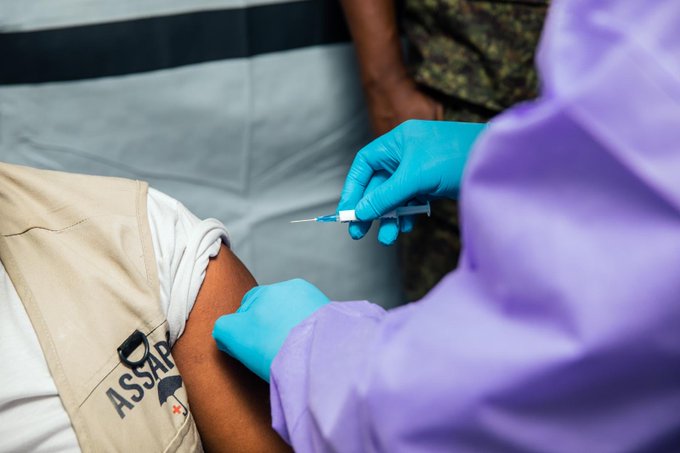
Scientists in the Democratic Republic of the Congo have started administering the first doses of an Ebola vaccine trial in Bunia, marking a new phase in the response to the ongoing outbreak.
The study, named TUMAINI – meaning “hope” in Swahili – aims to determine whether existing vaccine candidates can protect against the Bundibugyo Ebola virus, for which no specific vaccine has yet been approved.
One of the products under evaluation is Ervebo, already authorized for the Zaire strain of Ebola, though its effectiveness against Bundibugyo remains uncertain.
The World Health Organization is supporting the research, with WHO Director‑General Tedros Adhanom Ghebreyesus announcing the start of vaccinations and emphasizing the study’s role in assessing candidate safety and immune response.
The trial follows a major Ebola outbreak declared in May, which health authorities report has infected more than 9,700 people and caused over 4,600 deaths.
Regional health officials note that the outbreak has raised concerns across eastern, central and western Africa, prompting the WHO to declare a public health emergency of international concern.
Results from the TUMAINI study are expected to guide future decisions on which vaccine options merit further development and possible deployment against the Bundibugyo strain.
Until efficacy is demonstrated, health authorities caution that the trial does not confirm that Ervebo or other candidates protect against Bundibugyo Ebola.




Comments