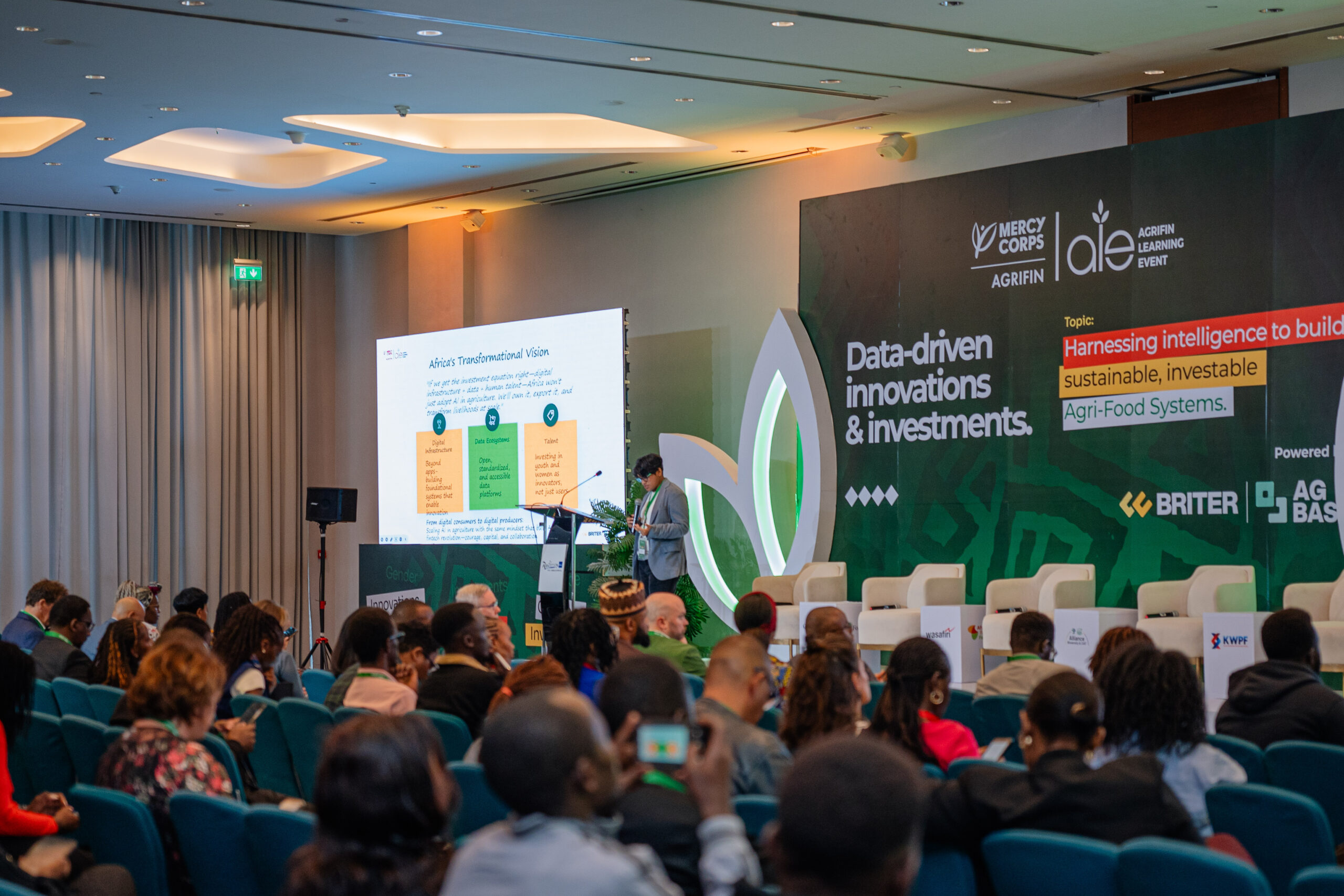
The 10th AgriFin Learning Event (ALE 10) will be held in Nairobi on 27 October 2026, under the theme “Leveraging Evidence for Connected, Scalable and Inclusive Digital Agriculture”.
Organisers say the gathering will bring together agriculture, finance, technology and development stakeholders to review successes, failures and needed changes for lasting digital‑agri impact.
A statement notes the event marks a decade of learning and coincides with the conclusion of the Gates Foundation‑funded AgriFin Digital Farmer II (ADF II) phase.
Key sessions will explore translating evidence into partnership models, unlocking capital for ag‑tech firms and small‑medium enterprises, and aligning financing with business maturity.
The programme also examines collaboration among tech providers, financial institutions, governments and development partners to strengthen service delivery and scale weather and climate services.
A masterclass track will cover trusted data ecosystems for agricultural finance, sustainable agri‑payment systems and digital safety, while an AI showcase and a farmers’ experience centre will feature more than 15 exhibitors.
Investment landscape and sector trends
A new Agtech Investment in Emerging Markets report, commissioned by Mercy Corps AgriFin’s AgBase programme, tracks US$4.39 billion in ag‑tech funding across 17 emerging markets from 2023 to Q3 2025, covering over 900 deals and 700 funded companies.
The analysis finds the ag‑tech funding environment stabilising after the post‑2022 correction, though recovery is uneven across markets with diverse capital structures and business‑model maturity.
Rather than asking whether ag‑tech can attract investment, the report shifts to identifying viable markets, business models and capital needs for sustainable growth.
Scale of digital farmer outreach
Since 2012, Prosper Global AgriFin has partnered with financial institutions, ag‑tech firms and governments to extend digital financial and agricultural services to more than 18 million smallholder farmers across Africa and Asia.
Under the AgriFin Digital Farmer II programme, 7.6 million farmers were registered, surpassing the five‑million target and illustrating the reach of digital approaches.
Organisers stress that registration alone is insufficient; ongoing usage, service relevance and the sustainability of delivering institutions remain critical questions for ALE 10.
Looking ahead after ALE 10
The event will serve as a platform to identify practical next steps for moving digital agriculture beyond isolated pilots toward connected, inclusive ecosystems.
Participants are expected to formulate recommendations on financing models that balance commercial potential with public benefits, especially for climate‑risk services.



Comments