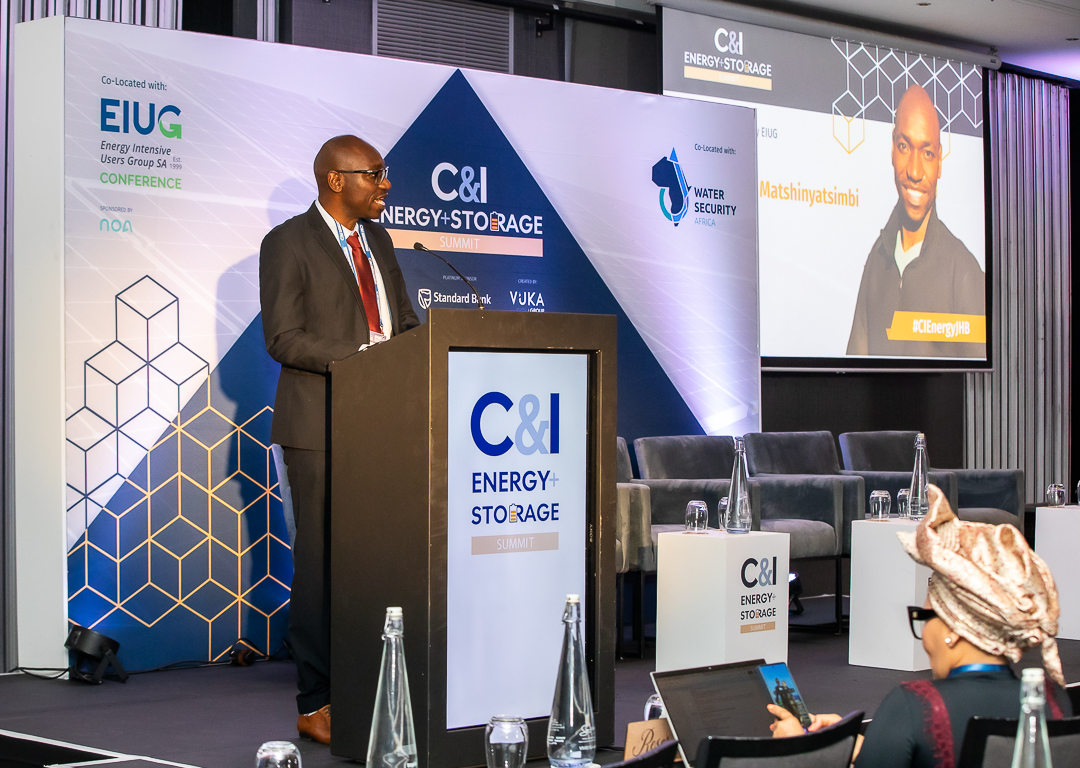
Energy security, industrial competitiveness and infrastructure readiness were identified as interlinked priorities for businesses, with speakers stressing the need to translate investment plans into operational gains.
Panel discussions highlighted the growing role of energy storage, noting that tariff optimisation, peak‑shaving and renewable integration can add value beyond simple backup power.
Eskom Group Executive Junaid Munshi explained that solar and storage can improve an industrial firm's energy cost position and, where network capacity is constrained, coordinated battery use can relieve pressure on the grid and potentially defer further grid investment.
The summit’s EIUG session questioned whether falling electricity consumption reflected genuine efficiency gains or a weakening industrial output, keeping tariffs and investment conditions central to the debate.
At the Data Centre Summit, participants linked Africa’s AI ambitions to power availability and stressed the need for coordinated planning of digital growth alongside electricity infrastructure.
Public‑private engagement sessions offered guidance on infrastructure co‑investment, municipal coordination and workable wheeling agreements for firms developing energy projects.
The afternoon’s “C&I energy playbook” and closing “decision clinic” provided practical advice on choosing between onsite solar and wheeled power, sizing batteries and preparing projects for financing, with input from DBSA, Standard Bank, SustainableDNA and the City of Tshwane.




Comments