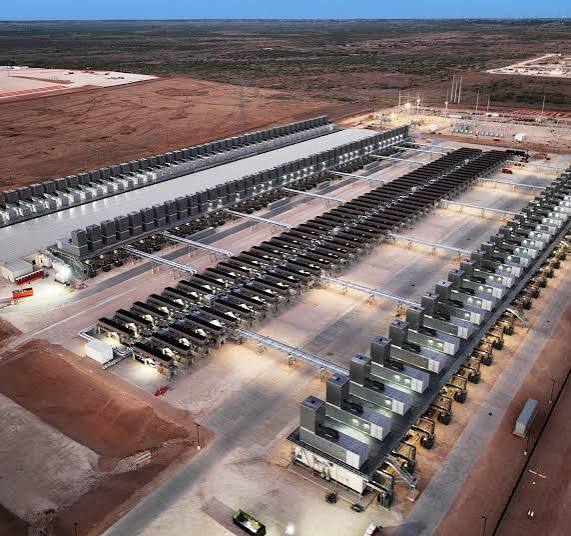
Industry estimates indicate that at least $260 billion in data‑center investment has been cancelled this year, with roughly half of that amount withdrawn in the three months to 30 September.
More than 100 moratoriums are now under consideration across the United States, reflecting a broadening wave of community resistance.
Public sentiment has shifted, with a Quinnipiac poll showing 71 % of Americans now would oppose a data centre in their community, up from 65 % in March.
In Texas, Governor Greg Abbott has paused new grid connections for data centres and ordered audits of water use, while the state attorney general opened a water‑use investigation.
The backlash is prompting firms to adopt three defensive fronts: policy pledges, lobbying coalitions and community‑investment programmes.
In March, leading cloud providers signed the Ratepayer Protection Pledge at the White House, agreeing to fund the power they need and cover grid upgrades rather than passing costs to households.
The pledge was later expanded in July to include more than 200 utilities, cooperatives and data‑center firms, covering roughly 80 % of U.S. power delivery.
On 28 September, the American Infrastructure Alliance launched a partnership with five building‑trades unions and firms such as OpenAI, Blackstone and SoftBank to develop state‑level standards ahead of the 2027 legislative sessions.
Amazon announced its Built Together programme on 2 October, pledging over $1 billion over five years for community colleges, job training and energy‑efficiency projects in locations that host its data centres.
Meta and Microsoft have made comparable community commitments, while the AI Infrastructure Coalition, backed by Google, Meta and Microsoft, released five community principles covering full energy costs, water‑use reduction and local hiring.




Comments