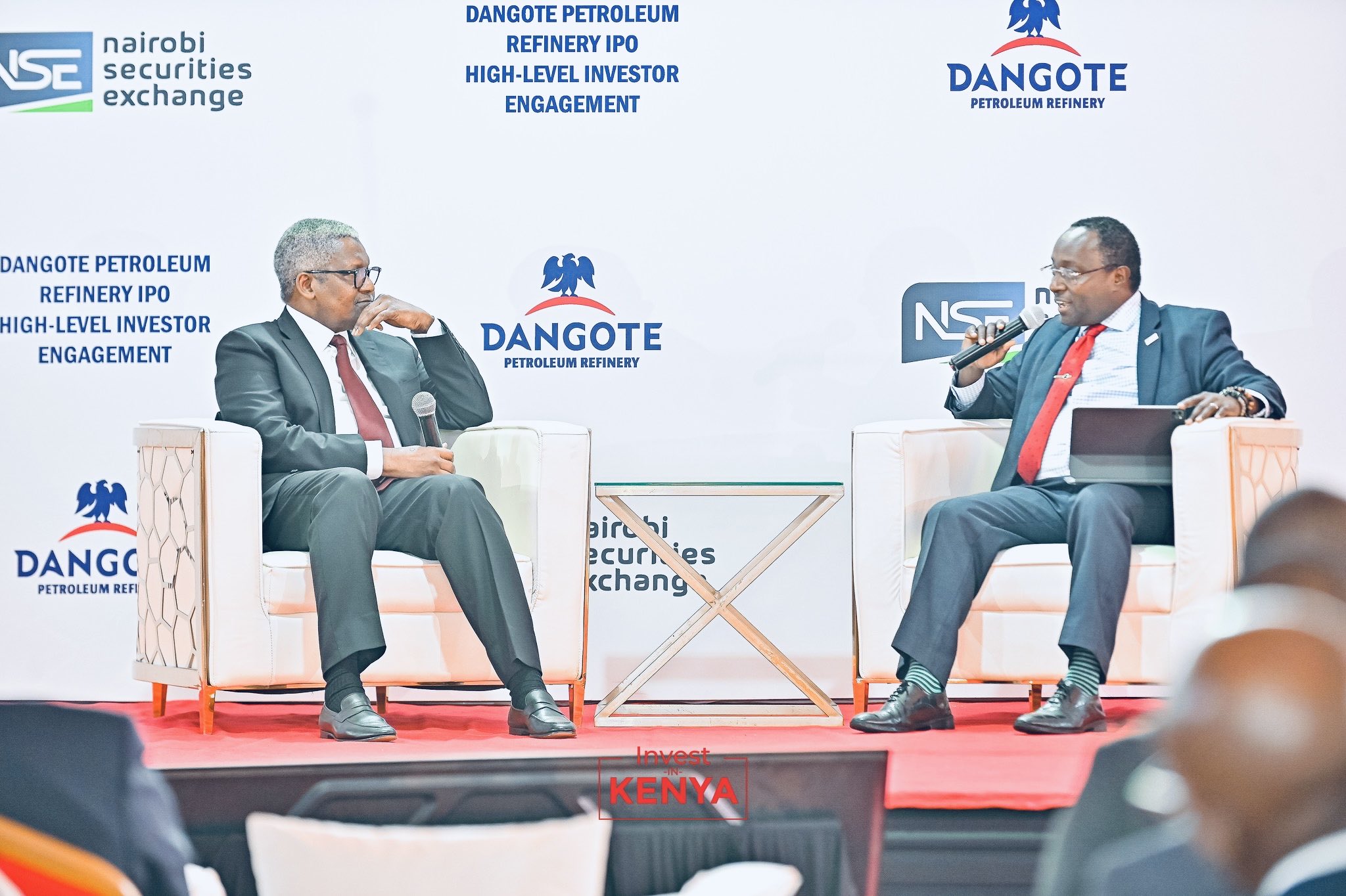
Aliko Dangote purchased a 24.7% stake in Kenya Pipeline Company (KPC) for KSh42.5 billion, after pension schemes turned down a Sh9.50‑per‑share offer.
Negotiations saw the pension funds initially ask Sh10 per share, later lowering to Sh9.50, while KPC shares traded at Sh9.02 at the time of the deal.
The parties finally agreed on a cash price of Sh9.04 per share, a modest premium to market price, and a dividend arrangement that raised the effective economic value to Sh9.36 per share.
The dividend component, worth Sh0.32 per share, was due to be paid to investors on the register by 30 November, but Dangote waived this benefit, delivering roughly Sh1.4 billion to the eight pension schemes that sold.
The transaction reduced the combined pension‑fund ownership in KPC to below 15%, with the National Social Security Fund and Public Service Superannuation Fund each falling to a 6% stake and several smaller schemes exiting entirely.
Post‑deal, Dangote became KPC’s second‑largest shareholder at about 24.76%, behind the Kenyan government’s 35% stake and Uganda’s 20.15% holding.
KPC shares rose to Sh10.55 by 23 October, above both the cash price and the effective Sh9.36 valuation, reflecting market enthusiasm after the transaction.
Strategic background of the acquisition
Dangote’s purchase aligns with his plan to build an integrated refining, storage and distribution network across Africa, including a $1.5 billion (KSh195 billion) investment to expand KPC’s 1,300‑km pipeline network.
KPC’s pipelines move petrol, diesel and jet fuel from Mombasa to Kenya and neighbouring markets such as Uganda, South Sudan, Rwanda and the DRC, making it a key regional infrastructure asset.
The industrialist also plans a 700,000‑barrel‑per‑day refinery in Lamu, estimated at KSh2.1 trillion, which could rely on KPC’s expanded network for product distribution.
KPC’s 2026 financial results showed revenue of KSh42.98 billion, net profit of KSh11.58 billion and operating cash flow of KSh17.39 billion, underscoring the profitability of the asset sold.
Implications for pension funds and future governance
The cash proceeds, after transaction costs and the dividend waiver, are expected to be redeployed across the pension schemes’ broader investment portfolios, though the adequacy of the return relative to market alternatives remains debated.
Dangote is slated to nominate a director to KPC’s board, giving him formal input into the company’s strategic direction, while the Kenyan and Ugandan governments retain veto powers over key matters such as tariff setting and senior appointments.


Comments