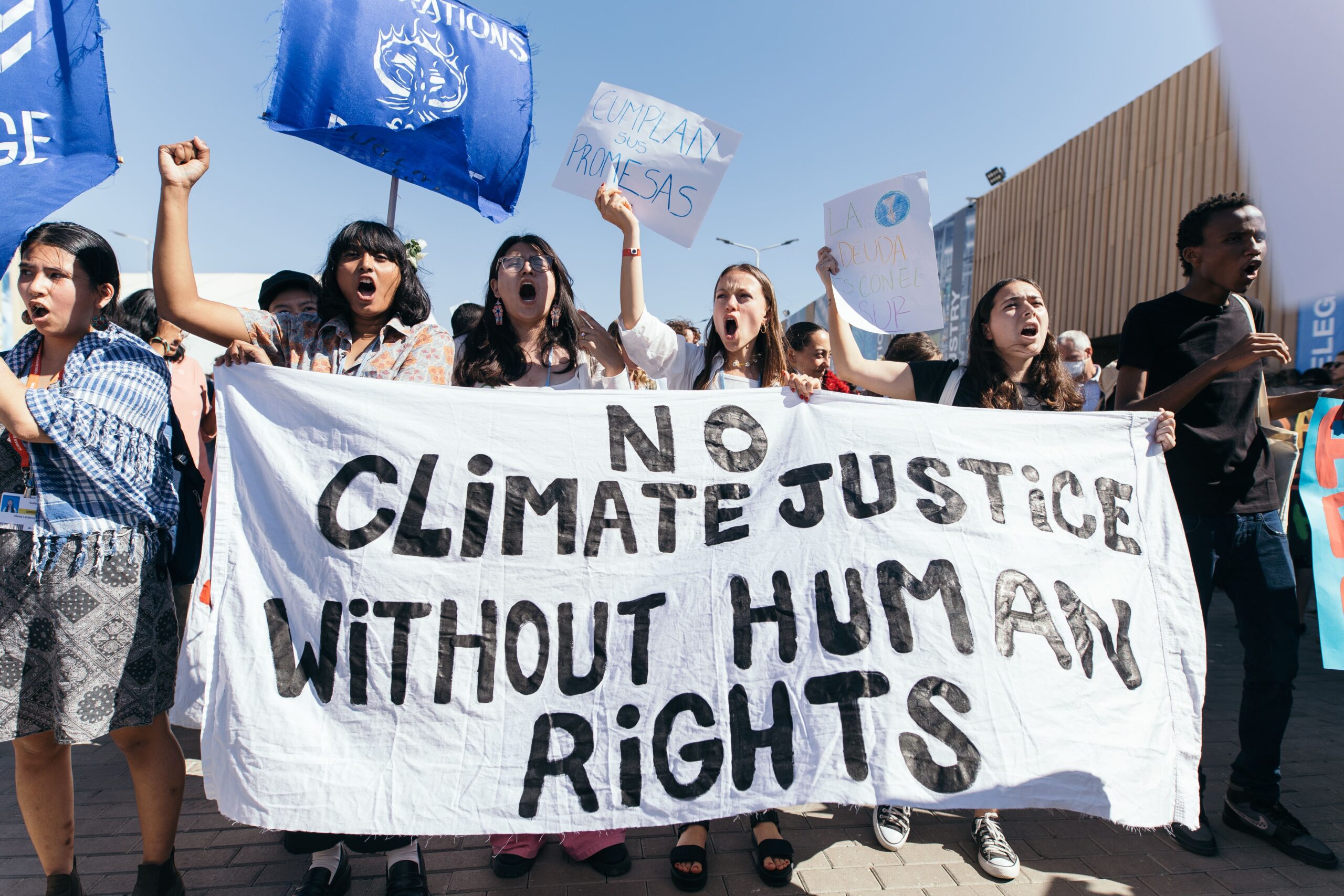
During a press conference organised by the Global Campaign to Demand Climate Justice at COP31 in Antalya, Türkiye, campaigners warned that the promotion of carbon‑dioxide removal, marine geoengineering and nuclear energy could shift focus away from immediate emissions reductions.
Representatives argued that the growing emphasis on ‘climate overshoot’—allowing temperatures to exceed 1.5 °C before attempting to reverse warming—could give major polluters an excuse to delay cutting greenhouse‑gas emissions while shifting the burden onto vulnerable communities.
Kwame Ponzo of the Global Forest Coalition said carbon‑removal mechanisms are being advanced by developed countries as a way to continue polluting rather than meeting their emission‑reduction obligations, and warned that marine carbon‑removal projects could threaten coastal livelihoods.
A Center for International Environmental Law (CIEL) representative cautioned that reliance on unproven carbon‑removal technologies at scale could weaken the urgency of immediate cuts and pose unpredictable risks to ecosystems and community rights, especially in the Global South.
The CIEL delegate also highlighted a long‑standing moratorium under the Convention on Biological Diversity on certain geoengineering activities, warning that attempts to embed overshoot language in the COP31 cover decision could legitimise further delays in climate action.
Friends of the Earth India raised concerns about nuclear energy, noting that the full nuclear fuel cycle generates significant emissions, creates long‑lived waste such as plutonium‑239, and is highly water‑intensive, potentially straining freshwater resources.
The same representative warned that the nuclear fuel cycle can raise proliferation risks, as plutonium produced in some reactors could be diverted for weapons, and called for prioritising solar, wind, geothermal and decentralised renewables instead of expanding nuclear capacity.
Jax Bongon of Ebon International, speaking for indigenous and frontline communities, argued that practical climate solutions already exist through community‑managed forests, water stewardship, seed banks and local food networks, but remain marginalised in international negotiations.
Campaigners called on wealthy nations to provide unconditional public climate finance, accelerate fossil‑fuel phase‑out, end offshore oil and gas extraction, protect biodiversity and community territories, and recognise community‑led renewable energy systems as central to climate action.
The press conference concluded with a warning that expanding AI data‑centre energy demand could revive fossil‑fuel generation and increase reliance on carbon‑capture technologies, further diverting attention from genuine emissions reductions.




Comments