Businesses looking at commercial solar in Kenya must decide not only if solar is cheaper than grid power but also how to finance the system, who will own and maintain the equipment and which party bears performance risk.
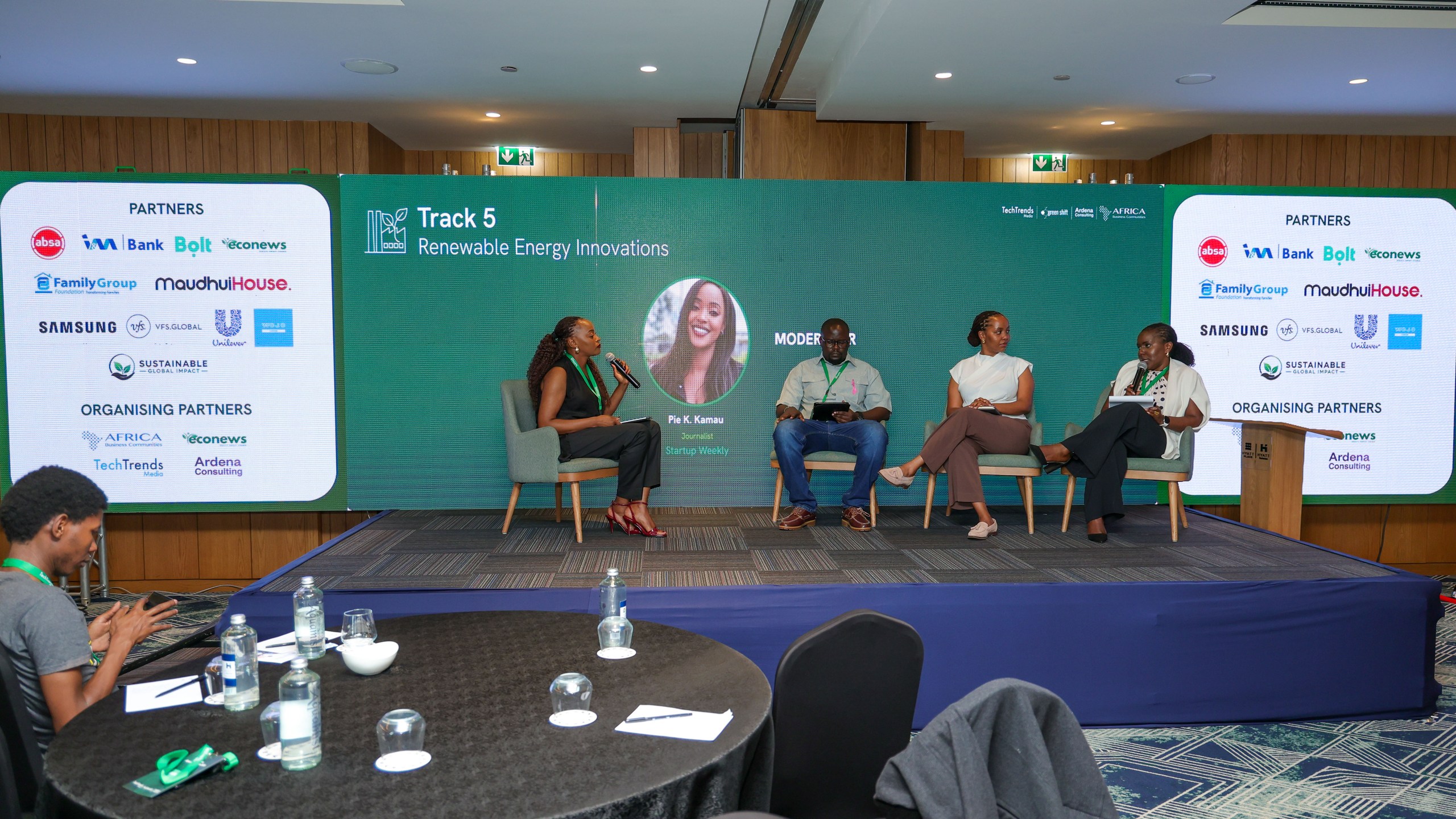
At the GreenShift Forum 2026, presenters noted that grid electricity typically costs KSh18–28 per kilowatt‑hour, while solar under certain arrangements can be sourced for KSh8–14 per kilowatt‑hour.
Four‑to‑seven‑year payback periods were cited, but firms are urged to test those figures against their own installation price, demand, system performance, maintenance costs and the value of displaced grid electricity.
Buying a solar system outright gives full control but requires upfront capital and ongoing responsibility for operation and warranty compliance, which can tie up funds that might otherwise support inventory, equipment or staff expansion.
Leasing allows a firm to use the installation without paying the full equipment cost up front; the lease contract defines payment schedules, ownership and maintenance duties.
A power‑purchase agreement (PPA) lets a business buy electricity from a developer‑owned system, reducing initial capital outlay but introducing contract‑duration, pricing and supplier‑performance terms.
The choice between ownership, lease or PPA matters for firms that need to preserve working capital, as the total cost over the contract period and the obligations assumed can differ markedly.
Rooftop‑space arrangements add another layer: a building owner can lease roof area to a solar provider, who then supplies electricity to a tenant, requiring clear agreements on access, payments and maintenance responsibilities.
Tenants in rented premises must consider lease length and the feasibility of moving the solar arrangement if they relocate, as the commercial case depends on roof area, demand and contract terms.
Systems designed mainly for daytime load reduction do not automatically provide backup during grid outages; businesses with critical loads need to budget for additional storage or backup equipment.
When evaluating options, firms should compare grid charges, solar payments, financing costs, maintenance, taxes, backup power and any contractual price adjustments, as well as the proportion of generated electricity that will be consumed on site.
The forum concluded that ownership, leasing and PPAs can each be viable under different conditions, but none is universally the cheapest; manufacturers and large electricity users should start with precise consumption data and clear contract terms to decide the best model.



Comments