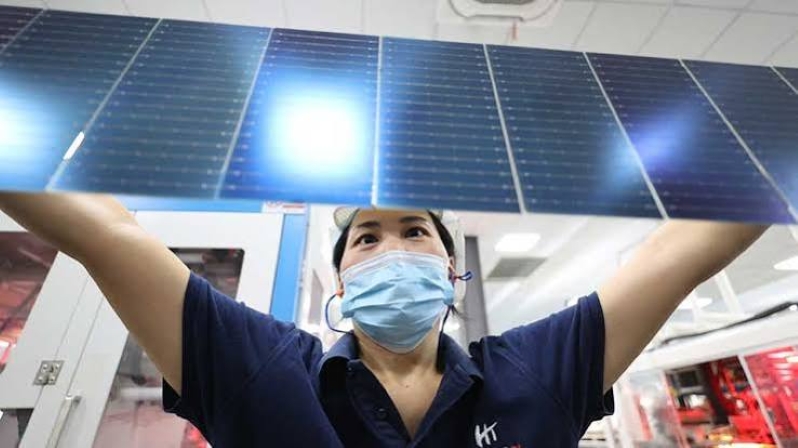
In October 2026 China announced a draft policy that would place export controls on twelve key technologies used in solar‑panel manufacturing, including processes for silicon wafers, advanced solar cells and polysilicon.
The draft distinguishes between outright bans on certain technologies and restrictions that would require foreign buyers to obtain special approvals before export.
China frames the measures as part of a broader review of export restrictions covering advanced fields such as artificial intelligence and biotechnology, citing national‑security concerns especially where photovoltaic components are used in aerospace and defence.
While the proposal does not yet ban all solar‑technology exports, it could make it harder for countries to acquire the equipment and know‑how needed to set up domestic production lines, a step beyond simply importing finished panels.
Analysts note that the United States, India and several European economies, which have announced plans to expand local solar manufacturing, may face increased compliance costs, project delays or the need to seek alternative suppliers.
African nations, many of which are scaling solar deployment and exploring domestic manufacturing, could also be affected because they often rely on Chinese equipment and technical assistance for new factories.
The draft remains open for public comment until 15 November 2026, and officials caution that it is premature to predict definitive impacts on overseas projects or panel prices.



Comments