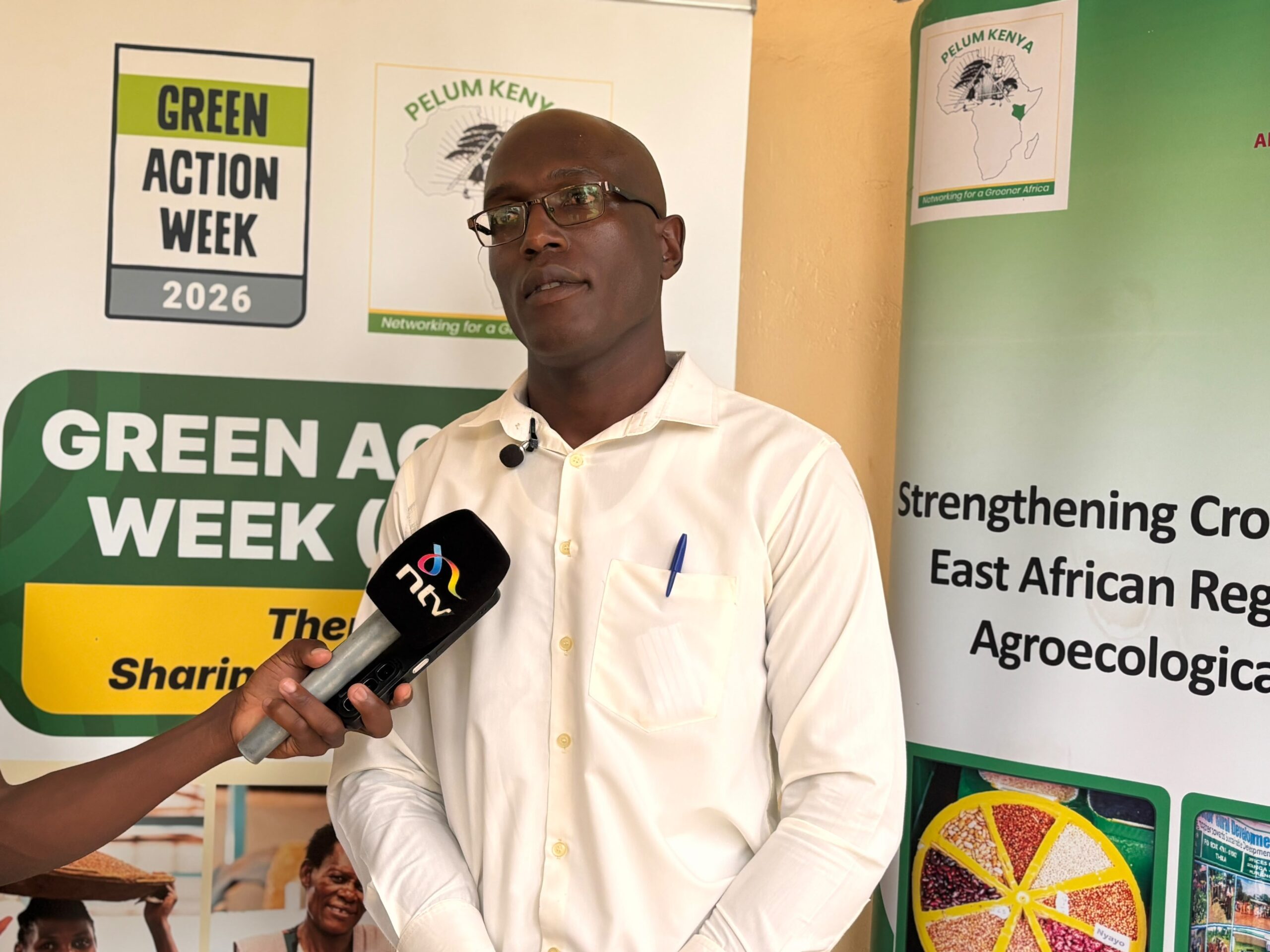
A cross‑border agroecology trade dialogue was held in Busia, bringing together farmers, traders, government officials and NGOs to explore ways to reduce trade barriers and improve market access for agroecological produce between Kenya and Uganda.
The event was organised by the Participatory Ecological Land Use Management (PELUM) programme with funding from the Alliance for Food Sovereignty in Africa (AFSA), and it seeks to strengthen regional cooperation on agroecological production and trade.
Moraa Ratemo, PELUM market‑development officer, highlighted Busia’s strategic location as a major trading hub that already handles high volumes of agroecological crops such as maize, sorghum and beans, linking Kenyan counties to markets in Uganda and the Democratic Republic of Congo.
Ratemo announced that a dedicated agroecology market has been allocated at the Soko Mawe site in Busia, and PELUM plans to replicate similar markets in every sub‑county to give farmers reliable outlets for their produce.
More than 120 local farmers have completed agroecology training and organic certification through PELUM, positioning them to supply the new market and meet consumer confidence standards.
The Busia Cross‑Border Traders Association, led by Dr. David Erulu, welcomed the initiative as a means to raise awareness of sustainable food production and to provide consumers with a designated venue for purchasing certified agroecological produce.
Deputy Director Michael Maloba of the Busia County Government noted that the county currently lacks a formal agroecology policy, but the dialogue will inform the development of a framework to guide production, promotion and cross‑border marketing of agroecological goods.
The proposed county policy aims to scale up agroecological farming, support the establishment of local markets and ensure that trade regulations reflect the needs of farmers, traders and consumers across the value chain.


Comments