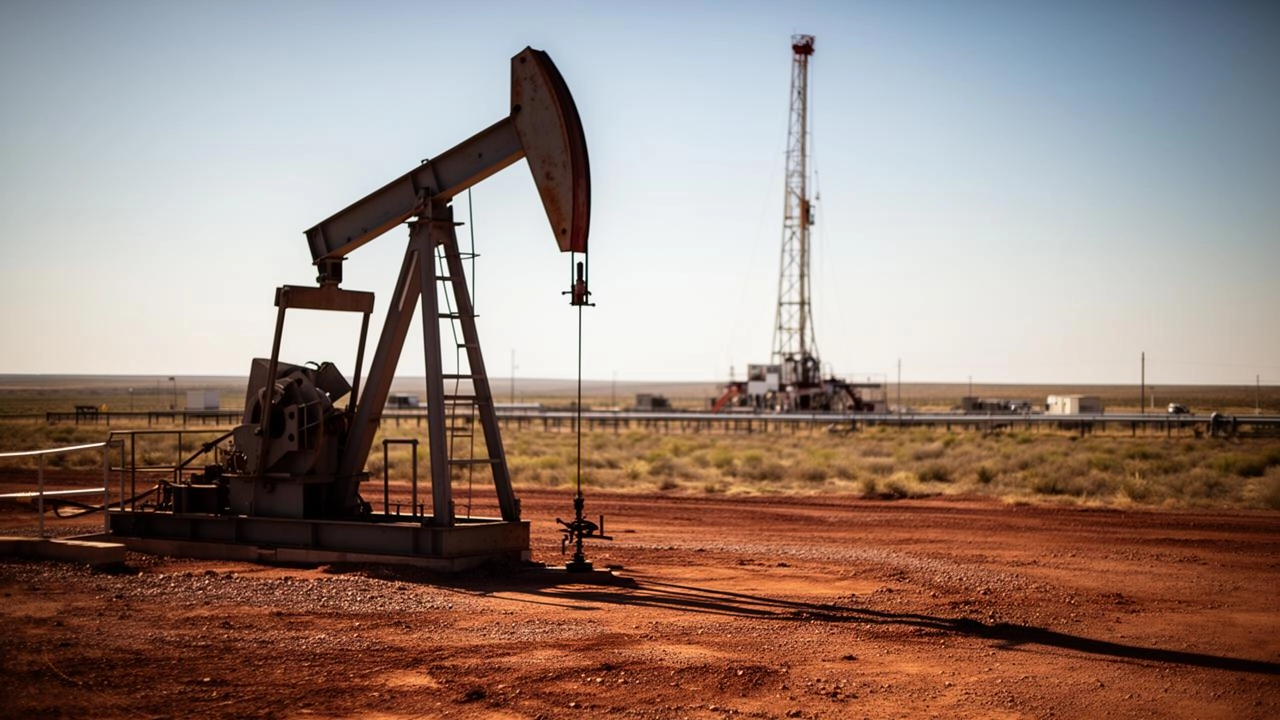
By 1340 GMT on Tuesday, Brent crude futures were trading at about $93.71 a barrel, up roughly 1.4%, while US West Texas Intermediate (WTI) rose to $86.97 a barrel, a gain of about 1.5%.
The rally coincided with reports of renewed attacks on oil tankers, including a vessel hit twice in the Strait of Hormuz whose crew remained unaccounted for.
Analysts also pointed to expectations that US crude stockpiles had fallen, with industry inventory figures due later on Tuesday and official government data scheduled for Wednesday.
The Strategic Petroleum Reserve dropped to 276.4 million barrels, its lowest level since August 1982, after a prior release of 172 million barrels.
Despite the price uptick, the International Energy Agency warned that global supply is set to outpace demand by about 1.7 million barrels per day in the fourth quarter, keeping a surplus risk alive.
Crude flows through the Strait of Hormuz, a key transit route handling roughly 15 million barrels per day in 2025, have largely returned to pre‑war levels, supporting the view that supply is rebalancing.
Shipping costs have fallen sharply, indicating that the risk premium on sea transport is easing as Gulf exporters increase shipments, a factor that helped pull prices down earlier in the month.
Market participants will watch the upcoming US stockpile data, any further incidents in the Hormuz corridor, and additional strategic reserve releases for clues on the next direction of oil prices.



Comments