
The Moonshot 2026 discussion titled “Beyond the App: Building the Infrastructure Behind Africa’s Everyday Economy” examined how transport, location data, financing and shared infrastructure enable digital businesses to operate.
Panelists noted that a customer can place an order, pay via mobile money and receive confirmation within minutes, yet the business still must locate the customer, move the product and secure working capital to complete the transaction.
Transport availability influences delivery costs and fulfilment times, while accurate location data determines route planning and the ability to serve customers outside major cities.
Access to working capital is critical for merchants and logistics providers to acquire inventory, vehicles and equipment needed to meet digital demand.
Shared infrastructure—such as co‑located telecom towers, fibre networks and joint logistics partnerships—can lower costs for businesses that would otherwise build duplicate systems.
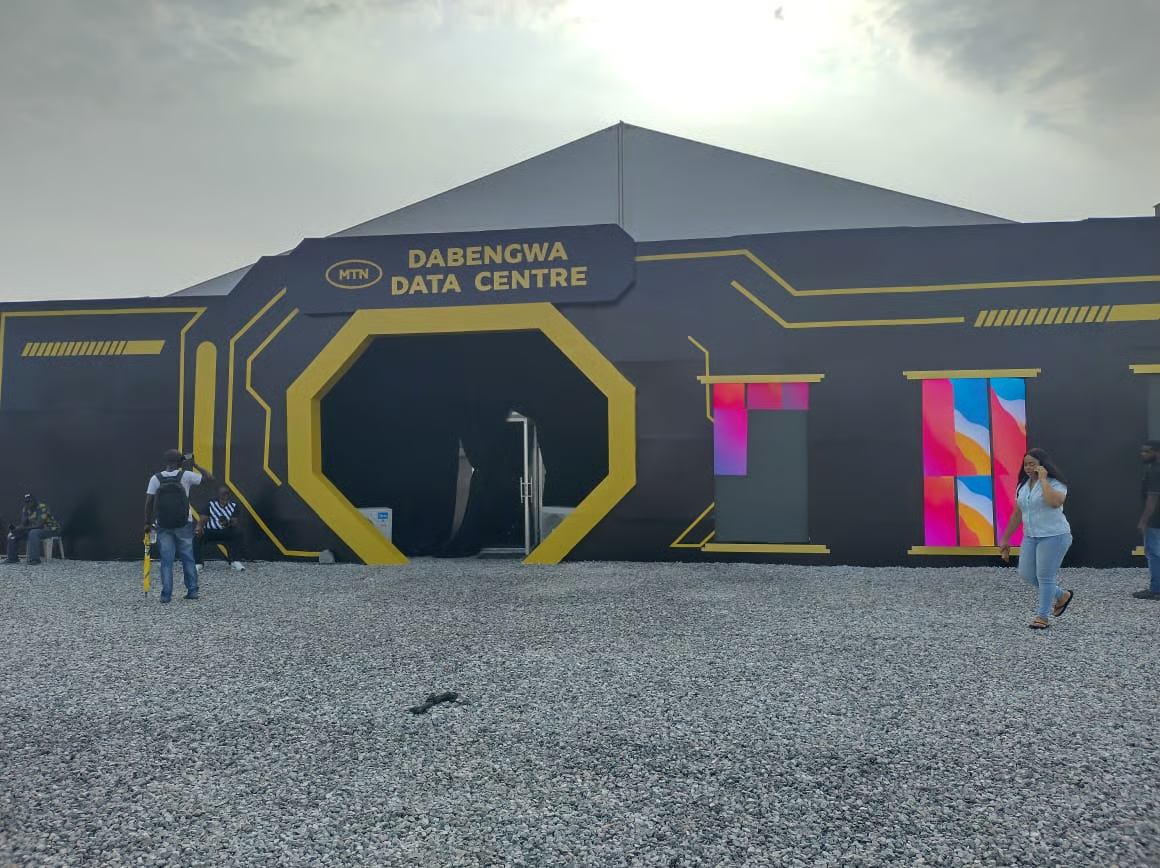
MTN highlighted a $100 billion funding gap for digital infrastructure across Africa, urging operators to share fibre backbones and towers to expand connectivity.
Kenya’s digital trade ecosystem illustrates these dynamics, with mobile money, e‑commerce and data‑centre investments such as Digital Realty’s NBO2 facility supporting cloud and AI services alongside submarine cables and fibre networks.
The panel concluded that scaling Africa’s digital economy will depend on integrating these physical networks with online platforms, ensuring businesses can reliably reach customers at reasonable cost.



Comments