ARC Ride’s audited financial statements for the year ended 31 December 2025 show total turnover of Sh560 million, equivalent to US$4.34 million, marking a four‑fold increase from the previous year.
Motorcycle sales generated Sh379.4 million, up 126%, while battery‑swapping services contributed Sh180.6 million, a 429% rise, making swapping about 32% of total revenue.
Despite higher sales, the company recorded an operating loss of US$2.91 million (approximately Sh375.8 million) and a post‑tax loss of about Sh377 million.
Management linked the widened loss to investments in new markets, additional battery‑swapping stations, technology development and expanded operational capacity.
The income statement shows cost of sales of roughly US$3 million against revenue of US$4.34 million, leaving a gross profit of about US$1.34 million, which was insufficient to cover administrative expenses of approximately US$4.27 million.
At year‑end, ARC Ride held about US$12.16 million in cash and US$10.97 million in receivables, with total equity near US$17 million, though the statements do not detail cash‑flow dynamics or debt service capacity.
In September 2026 the company announced a US$33 million financing round involving the International Finance Corporation, British International Investment, Proparco, Novastar Ventures, Norrsken22 and existing investors, aimed at scaling motorcycles, swapping stations and regional expansion.
The new capital will support deployment of 5,000 additional electric motorcycles and entry into markets such as Tanzania, Uganda, Ghana and South Africa, contingent on coordinated rollout of battery‑swapping infrastructure.
Battery‑swapping’s role and challenges
Battery‑swapping allows riders to exchange a depleted pack for a fully charged one at designated stations, reducing downtime for commercial users and creating a recurring revenue stream for operators.
TechTrendsKE’s July 2026 analysis highlighted that operators must finance battery inventory, station equipment, electrical installations, maintenance and staff before usage levels generate sufficient cash flow to cover those costs.
The company’s accounts do not disclose station utilisation rates, average revenue per swap or the cost of operating its network, data that would clarify whether the rapid increase in swapping income translates into stronger margins.
Industry competition and network sharing
ARC Ride operates in a market where other players such as SUN Mobility and Yadea are pursuing battery‑swapping partnerships, potentially expanding the pool of compatible motorcycles that can use its stations.
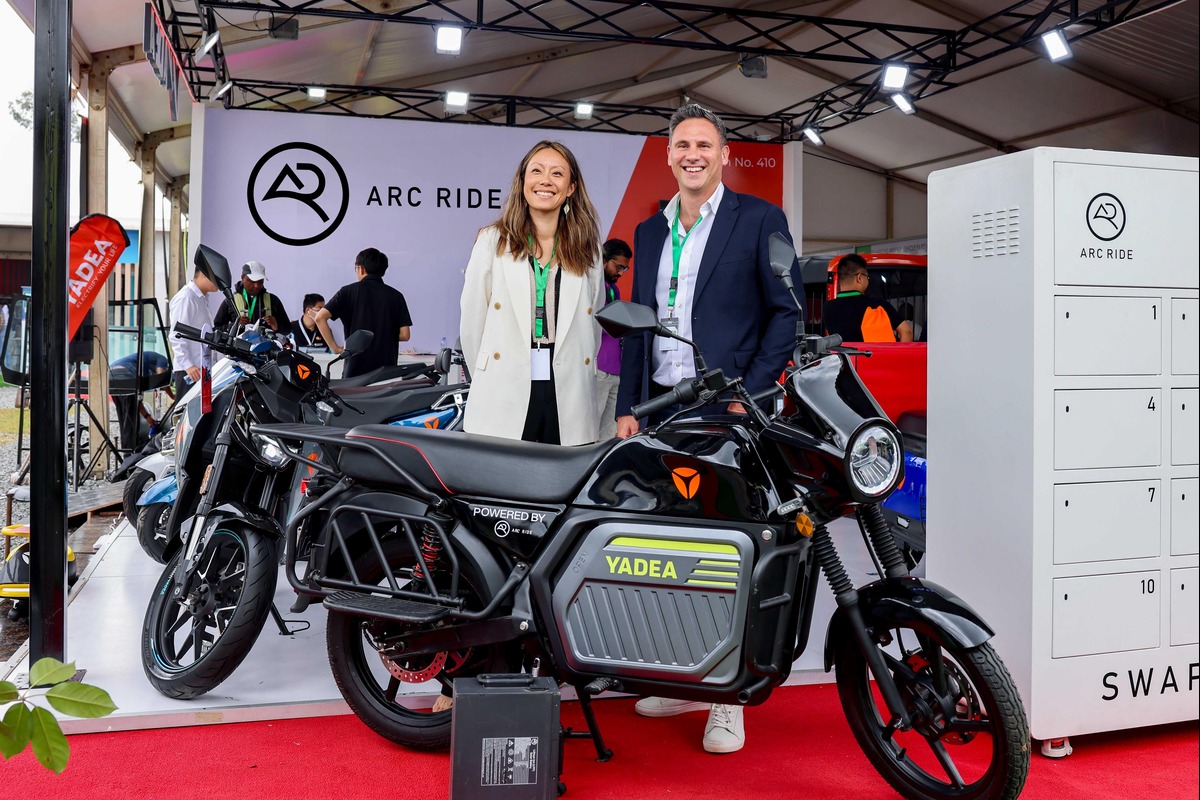
While the 2025 swapping revenue includes activity from ARC Ride‑partnered Yadea bikes, the reports do not quantify the share of revenue derived from non‑ARC Ride motorcycles, leaving the impact of network sharing on profitability unclear.
What to watch in future results
Analysts will look for the next audited results to see whether revenue growth is accompanied by narrower operating losses, focusing on metrics such as number of motorcycles deployed, swap station utilisation, revenue per exchange and cash‑flow performance.
The sustainability of ARC Ride’s expansion will also depend on how the US$33 million financing is allocated between equity and debt, the terms of any borrowing and the speed at which new stations become cash‑positive.




Comments