The Communications Authority of Kenya reported 11.12 billion cyber threat events in the most recent financial year, up 29% from the previous 8.62 billion, as artificial‑intelligence tools enable criminals to automate scams and impersonate trusted parties.
Small and medium enterprises, which account for about 98% of Kenyan businesses and contribute over 30% of GDP, are increasingly reliant on digital payments and online platforms but often lack dedicated security teams or budgets to counter sophisticated attacks.
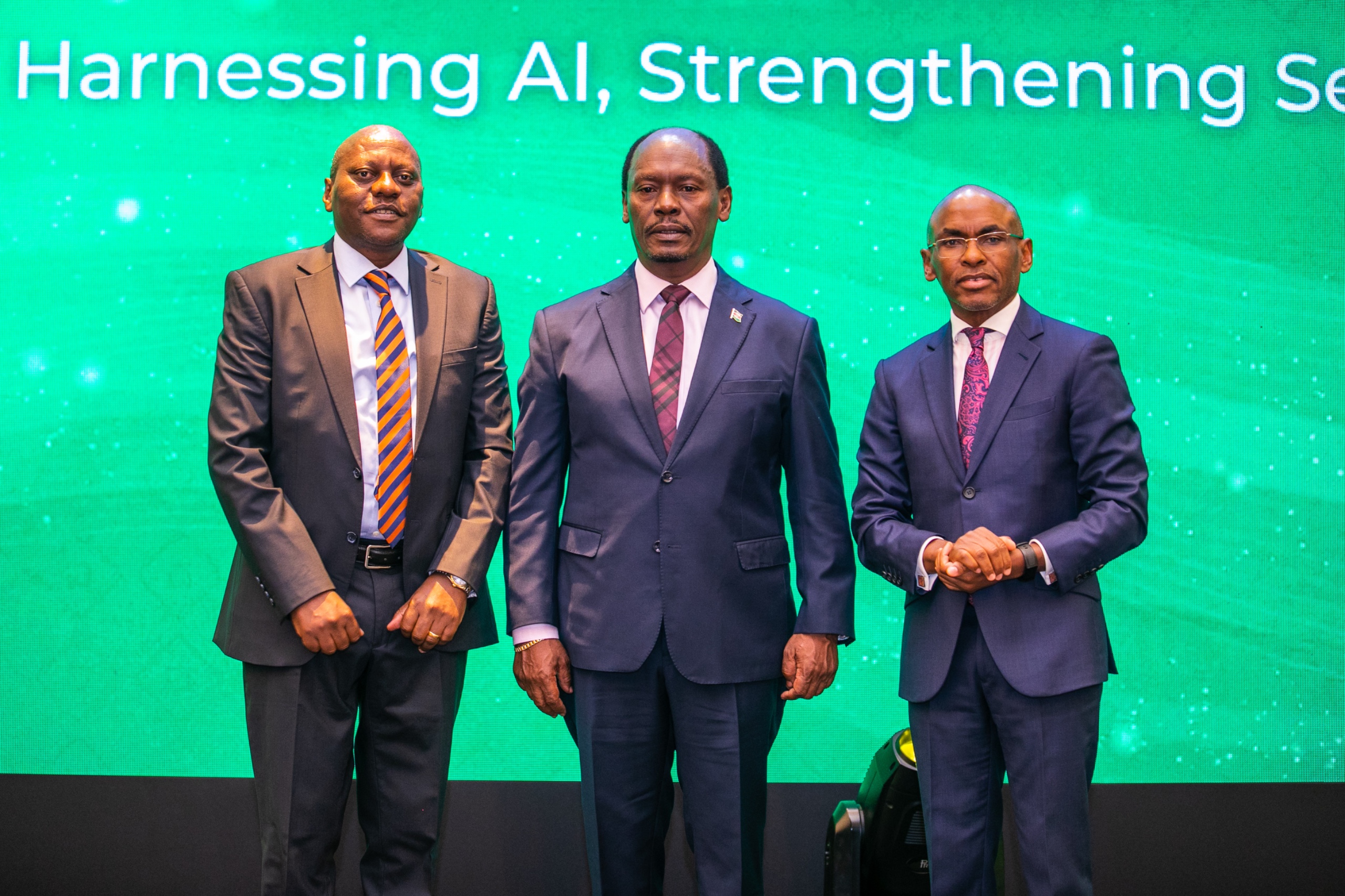
Safaricom highlighted the issue at its fourth annual Cybersecurity Summit in Nairobi, stressing that security must be built into digital services from the outset and supported by shared standards and cross‑sector cooperation.
The summit identified AI‑generated deepfakes, impersonation scams and ransomware as key threats, noting that attackers can craft convincing emails or messages that appear to come from suppliers or executives, prompting unauthorised payments.
Safaricom’s Managed Security Operations Centre provides continuous threat monitoring, expert analysis and coordinated incident response, while its newly launched Software‑Defined WAN offers centrally managed connectivity for businesses operating across multiple sites.
These services are intended to give SMEs access to enterprise‑grade security without the need to build and staff their own infrastructure, although Safaricom has not disclosed uptake figures, pricing or the number of incidents prevented.
The 11.12 billion figure reflects detected threat events, which can include activity that does not result in a breach, and does not quantify financial losses or the proportion of incidents that caused actual damage.
A recent Mastercard report on Africa’s digital defence noted a 421% increase in cyberattacks across the continent from 2016 to 2025, outpacing the global rise and underscoring the urgency for stronger security measures.



Comments