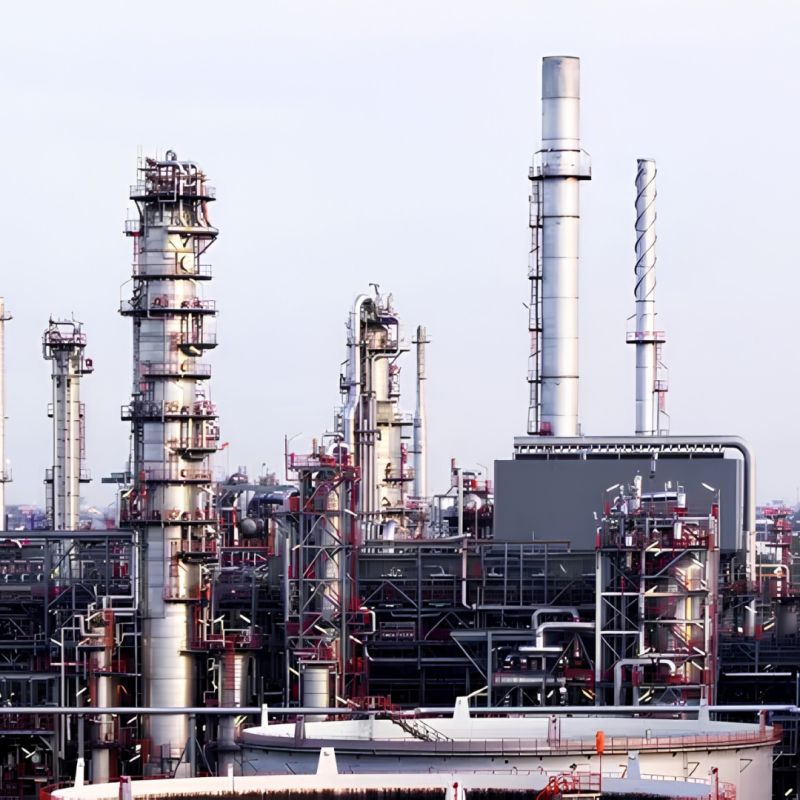
The African Development Bank’s 2026 Country Report advises the Republic of Congo to adopt a rules‑based system that automatically channels additional oil revenues into debt reduction when crude prices exceed the budget’s benchmark.
The proposal also calls for a pause on new borrowing secured by oil assets, urging the government to prioritise debt repayment to avoid long‑term fiscal exposure from temporary windfalls.
Congo’s public debt stood at roughly 97% of GDP in 2025, constraining liquidity; the AfDB projects a possible decline to about 85% of GDP by 2027 if the reforms are implemented.
Oil revenues in 2025 fell short of budget expectations, reaching CFAF 1,031.6 billion against a forecast of CFAF 1,230.1 billion, highlighting the need for more predictable revenue management.
The recommendations are timed for the Congo Energy & Investment Forum (CEIF) scheduled for 1‑3 June 2027 in Brazzaville, where officials expect to discuss financing for upstream projects, gas infrastructure and broader industrial growth.
Beyond oil, the World Bank and International Finance Corporation have highlighted diversification priorities such as wood processing, port logistics, corn milling and aquaculture, which could attract up to $1.4 billion in private investment by 2030.
Improved fiscal stability and reduced debt exposure are expected to make Congo a more attractive venue for long‑term investors, supporting the government’s ambition to fund infrastructure and diversify the economy.


Comments