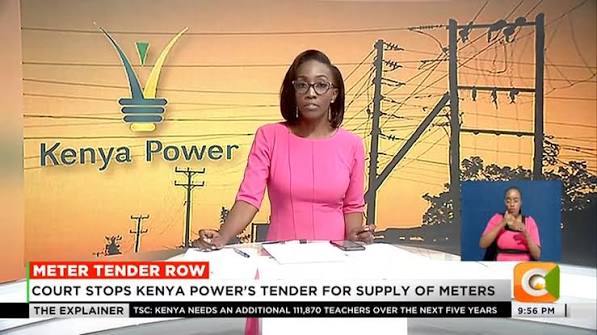
Activist Francis Awino lodged a public‑interest petition in the High Court demanding an independent investigation into Kenya Power’s tender for labour and transport services related to vegetation management.
The tender, identified as KP1/9A.2/OT/001/PJT/25‑26, attracted 346 submissions, of which 20 were later withdrawn, and after evaluation the committee recommended 91 bidders for contracts across regional and distribution‑area awards.
Awino argues that the scale of the procurement and its link to a public‑interest electricity utility make the matter of significant public concern, warranting scrutiny beyond the earlier challenge before the Public Procurement Administrative Review Board (PPARB).
Background of earlier PPARB challenge
Panthers Power Technologies Ltd filed PPARB Application No. 99 of 2026 on 30 June 2026, contesting the tender’s validity, opening date, award notifications, price disclosures and the licences of successful bidders.
The Board dismissed the application on jurisdictional grounds, noting that Panthers Power had not joined the 91 successful tenderers as required under Section 170(c) of the Public Procurement and Asset Disposal Act.
Awino maintains that the Board’s dismissal does not constitute a finding of legality for the procurement nor a determination that the earlier allegations were false.
Relief sought and potential oversight actions
The petition asks the court to order Kenya Power and related parties to preserve all documents and electronic records, including emails, text messages, tender‑opening logs, evaluation scores and the Cost Handbook used in financial assessment.
Awino also requests that the Public Procurement Regulatory Authority conduct an independent review of the tender and that the Ethics and Anti‑Corruption Commission investigate alleged conflicts of interest, undisclosed common ownership and any risk of loss to public funds.
Should investigations reveal misappropriation, the petitioner seeks recovery of funds in accordance with Kenyan law, while emphasizing that the case is not intended to reopen the commercial dispute before the PPARB.


Comments