A disturbing robbery and abduction case in Muhoroni, Kisumu County, is now raising serious questions about whether the crime was an inside job involving information leaked from inside a bank.
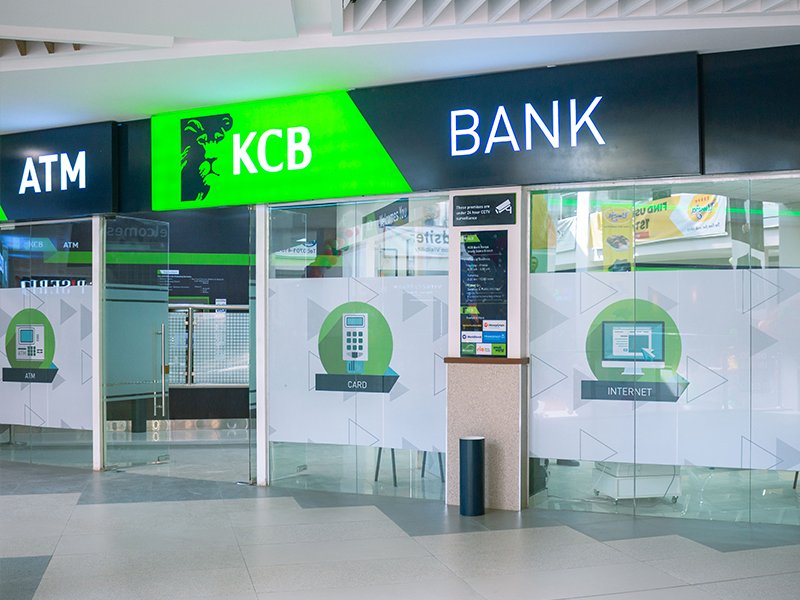
The incident unfolded shortly before midday when Richard Bala, the treasurer of a local cooperative society, withdrew KSh 1.1 million from a branch of Kenya Commercial Bank in Muhoroni.
What happened next has left investigators deeply suspicious.
Moments after leaving the banking hall, Bala was intercepted by five men travelling in a white saloon car. The suspects, dressed in plain clothes and posing as police officers, forced him into the vehicle and sped off towards the Koitaburot area of Soin Sub-County.
But the plan quickly began to unravel.
Boda boda riders stationed near the bank immediately sensed something was wrong and raised the alarm. Within minutes, dozens of riders had mobilized and began pursuing the vehicle.
The dramatic chase stretched for several kilometres before the riders intercepted the suspects’ car. Members of the public surrounded the vehicle and restrained the occupants before authorities arrived.
A search of the car revealed a disturbing collection of items.
Recovered from the vehicle were a toy pistol designed to resemble a revolver, multiple vehicle number plates, a mobile phone, bank related items, and a pair of handcuffs.
Even more shocking was what investigators allegedly discovered next.
Identification documents reportedly indicated that the suspects were serving police officers.
The revelation has intensified public anger and revived long standing concerns about rogue officers being involved in criminal operations.
Across Kenya, police have increasingly been accused not only of failing to stop crime but in some cases participating in it.
In several incidents, officers have allegedly provided weapons, logistical support, intelligence, or protection to organized criminal groups.
The Muhoroni incident now appears to fit that troubling pattern.
But investigators say the most critical question may lie elsewhere.
How did the attackers know.
The timing of the abduction has raised serious suspicion that the criminals had prior knowledge of Bala’s withdrawal.
Security experts say such precision rarely happens by chance.
For attackers to intercept a customer almost immediately after leaving a banking hall with a specific amount of money, someone inside the bank may have tipped them off.
Attention is now turning toward possible insider involvement at the Muhoroni branch.
Investigators believe the teller who processed the withdrawal, or another staff member with access to transaction information, would have been in the best position to leak details such as the exact amount withdrawn, the identity of the customer, and the precise moment he exited the bank.
Financial crime investigators say cases like this often involve networks rather than individuals acting alone.
If insider involvement is confirmed, it could point to a coordinated operation involving bank employees, rogue police officers, and external criminals working together.
Authorities are expected to examine transaction records, CCTV footage inside the banking hall, staff duty rosters, and internal communication logs from the bank branch.
One investigator familiar with financial crime cases said the evidence trail may already exist.
“The withdrawal time, the interception point, and the speed of the operation suggest someone had inside information,” the investigator said.
For now, the case has exposed once again the growing threat of coordinated financial crimes where insider leaks, criminal networks, and abuse of official authority combine to target unsuspecting victims.
And as investigators dig deeper into what happened in Muhoroni, the spotlight is now firmly on whether the robbery began not on the road.
But inside the bank itself.