THE KURA QUESTION HOW ONE DIRECTOR’S POWER AND CONTROVERSY HAVE COME TO DEFINE A DEEPLY TROUBLED URBAN ROADS AGENCY
At the heart of Kenya’s urban infrastructure lies an agency entrusted with billions of shillings, enormous public trust, and the responsibility of keeping cities moving. Yet within the Kenya Urban Roads Authority, a troubling story has steadily taken shape. It is a story of unchecked power, unresolved allegations, internal hostility, and an uncomfortable silence from institutions meant to enforce accountability.
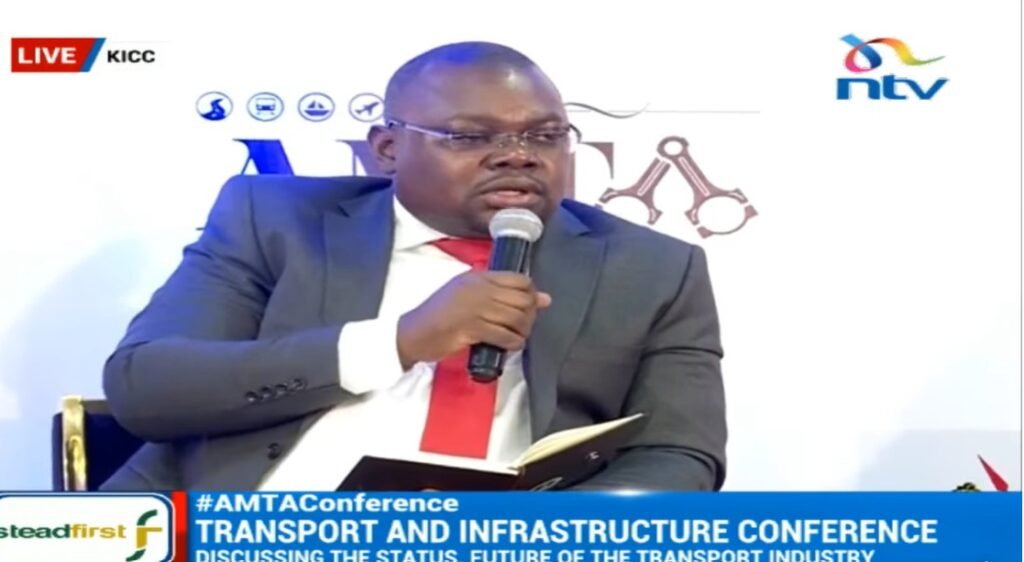
The name that keeps resurfacing is that of Kenya Urban Roads Authority director Wilfred Oginga.
Across multiple reports, petitions, and insider accounts, Oginga is portrayed not simply as a controversial public officer, but as a symbol of how deeply compromised governance at KURA has become.
A director surrounded by allegations
For years, questions have been raised about Oginga’s conduct, wealth, and influence within KURA. Lobby groups and civil society actors have formally petitioned investigative agencies to probe his lifestyle, pointing to properties and assets that appear far beyond what his public salary could reasonably sustain.
Claims have been made of prime real estate holdings in high value areas around Nairobi and its outskirts. These claims have been accompanied by allegations that some developments involved contractors linked to KURA road projects. While Oginga has not been publicly charged, the absence of clear explanations has only intensified public suspicion.
At the centre of these concerns is a simple question that has never been convincingly answered. How does a career public officer amass such visible wealth without attracting decisive scrutiny.
A culture of fear inside KURA
Inside the authority, reports describe an agency deeply divided. Senior and mid level staff allegedly operate under intimidation, with decisions increasingly centralised around a small circle loyal to Oginga.
Multiple accounts describe rising animosity between departments, stalled internal processes, and an environment where dissent is punished rather than addressed. Staff morale has reportedly deteriorated as professional disagreements turn into personal vendettas.
Insiders claim that officers who raise concerns over procurement, project quality, or governance are marginalised. Others are transferred, isolated, or quietly pushed out. The result is an organisation where compliance replaces competence and silence becomes a survival strategy.
Roads that cost more but deliver less
The most damaging consequence of this internal dysfunction is visible on the ground.
Urban road projects under KURA have increasingly drawn criticism for inflated costs, delayed completion, and questionable quality. Roads are repaired only to fail months later. Projects stall without explanation. Variations balloon original budgets.
Critics argue that procurement under Oginga’s watch has become opaque. Certain contractors allegedly appear repeatedly across projects, while competitive bidding is said to exist largely on paper.
In regions linked to the director’s political and personal networks, road projects have raised particular concern. Questions have been asked about why some areas receive disproportionate attention while others remain neglected despite clear need.
The Intelligent Transport Systems contradiction
Even as these allegations swirl, KURA has pushed ahead with the rollout of Intelligent Transport Systems in Nairobi. The project promises smart traffic lights, surveillance cameras, and data driven traffic management.
Publicly, Oginga has positioned himself as a champion of modern urban mobility. He speaks of innovation, congestion reduction, and technology driven planning.
But critics see a contradiction.
They argue that introducing complex and expensive systems into an agency already accused of weak governance only multiplies the risk. Without transparency and strong oversight, Intelligent Transport Systems could become another avenue for inflated contracts and poorly supervised spending.
The fear is not technology itself, but who controls it and how decisions are made.
Too connected to confront
Perhaps the most troubling aspect of the Oginga saga is what has not happened.
Despite repeated media exposure, formal complaints, and public petitions, decisive action has remained elusive. No suspension. No public audit. No comprehensive investigation results released to the public.
This has fueled the perception that Oginga is politically insulated. Lobby groups allege that his connections extend beyond KURA into political and administrative circles that shield him from consequences.
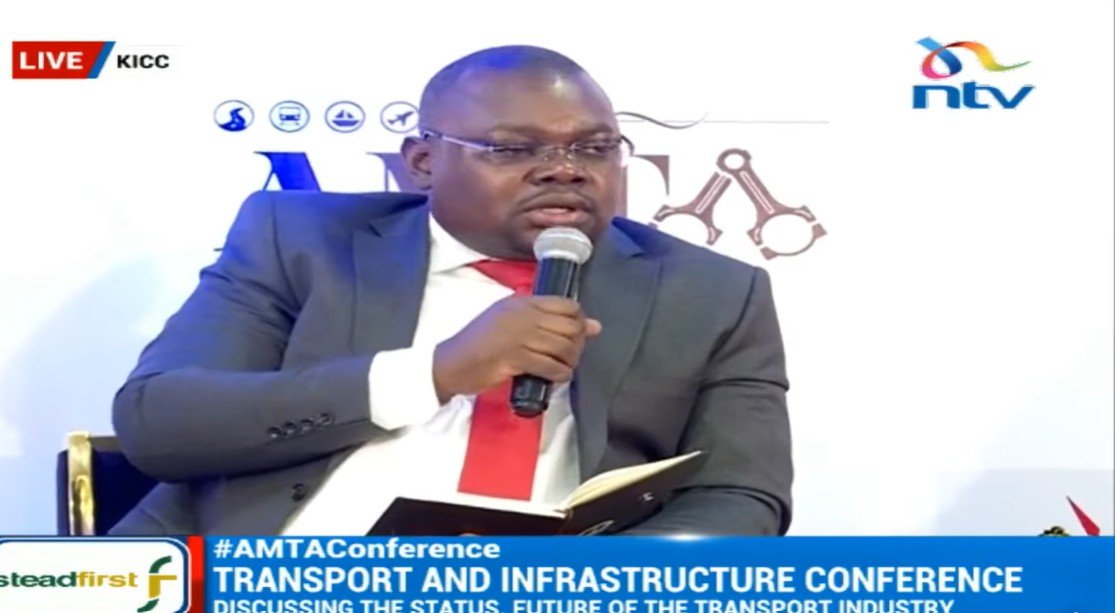
Some reports suggest he has actively engaged in local politics, supporting candidates and influencing outcomes. If true, this would represent a serious conflict of interest and a direct violation of the principle that public office should remain politically neutral.
An agency drifting from its mandate
KURA was created to serve the public interest. To plan, build, and maintain urban roads efficiently and fairly. To ensure taxpayers receive value for money.
Instead, the authority now finds itself associated with scandal more than service.
The continued presence of unresolved allegations has eroded public confidence. Nairobi residents sit in traffic for hours on roads that cost billions. Pedestrians risk their lives crossing poorly designed junctions. Drainage failures turn streets into rivers.
Meanwhile, those asking hard questions are met with silence.
The cost of inaction
This is no longer just about Wilfred Oginga as an individual. It is about what his case represents.
It represents a system where allegations can pile up without resolution. Where internal watchdogs are muted. Where oversight institutions appear hesitant. Where accountability is optional rather than mandatory.
Every shilling lost through mismanagement is paid for by ordinary Kenyans. Through taxes. Through time lost in traffic. Through accidents on unsafe roads.
A test for the state
The KURA controversy is now a test of whether Kenya’s accountability mechanisms still work.
Will investigative agencies act independently and transparently. Will audits be conducted and published. Will leadership be held to the same standards demanded of junior officers.
Or will silence prevail once again.
Until clear answers are provided, the cloud over KURA will remain. And so will the uncomfortable question facing the public.
Who is protecting who. And at what cost.
Wilfred Oginga
Wilfred R. Oginga is a Kenyan civil engineer and senior public servant who serves as the Director of Urban Roads Planning and Design at the Kenya Urban Roads Authority. He is a Fellow of the Institution of Engineers of Kenya and a Chartered Engineer (CE), recognized for his technical leadership in urban infrastructure planning.
Key facts
- Current role: Director, Urban Roads Planning and Design (KURA)
- Professional title: Chartered Engineer, Fellow of the Institution of Engineers of Kenya (FIEK)
- Sector: Urban infrastructure and transportation
- Country: Kenya
Career and responsibilities
At KURA, Eng. Oginga oversees the planning, design, and coordination of Kenya’s urban road networks. His division develops engineering designs, supervises feasibility studies, and supports the execution of national and county-level urban road projects. The role involves ensuring compliance with safety and environmental standards, integrating modern transport planning methods, and liaising with both local and international contractors.
Leadership and influence
Oginga has been a central figure in shaping urban infrastructure policies within Kenya’s road authority system. His position places him at the core of major urban mobility initiatives aimed at easing congestion in cities such as Nairobi and Mombasa. As Director, he has participated in national development programs that align with Kenya’s Vision 2030 urban modernization agenda.
Public scrutiny and controversies
Media investigations have occasionally linked Oginga to internal disputes within KURA and to allegations of unethical conduct involving procurement and lobbying for senior government appointments. Reports indicate that his efforts to ascend to higher positions, including Director General roles in Kenya’s infrastructure agencies, have faced scrutiny from oversight bodies such as the Ethics and Anti-Corruption Commission.
While none of these allegations have resulted in formal convictions, they have highlighted tensions surrounding governance and accountability in Kenya’s public works sector.
Professional standing
Despite controversies, Eng. Oginga maintains a significant presence within Kenya’s engineering community, contributing to national dialogues on sustainable urban transport design and capacity building for public engineers. His career reflects the broader challenges and ambitions in modernizing Kenya’s urban road systems.